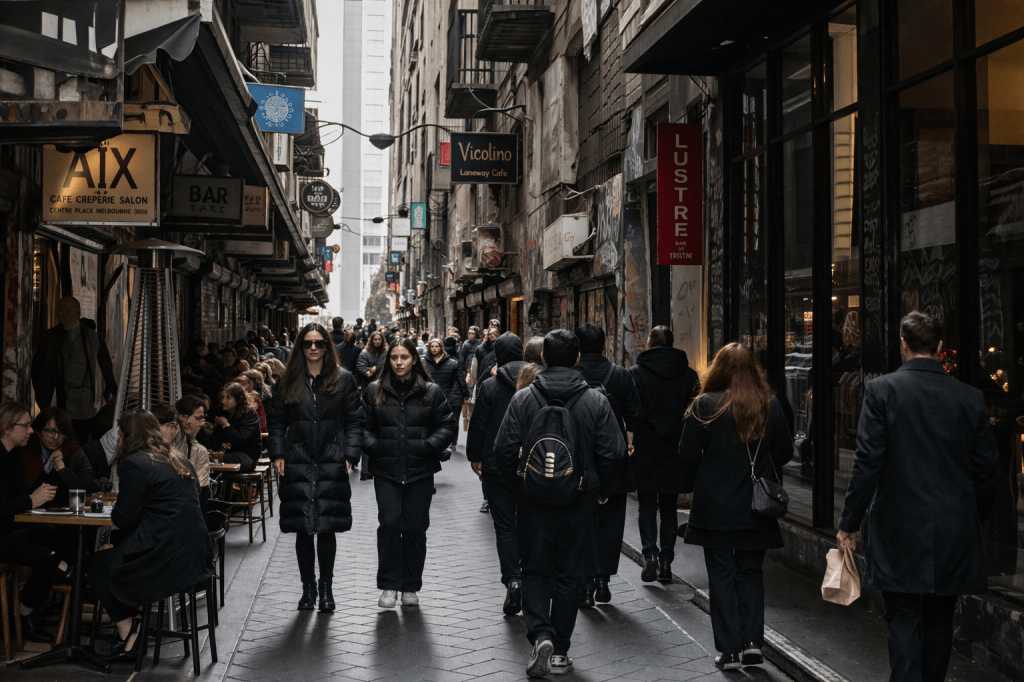
The first thing you’ll notice when you arrive in Melbourne isn’t the trams. It isn’t the laneways or the coffee…it’s the colour black. Or as I say ‘the absence of colour’.
In many cities, fashion performs. It demands to be seen. But in Melbourne, it whispers. And, in winters the black only intensifies.
You’ll step out into the CBD expecting vibrancy. After all, this is Australia. Be prepared to be surprised. Don’t imagine brightness, linen or even sun-washed tones (seen during the short summer season).
Instead, you’ll see a lot of black coats, charcoal jackets, matte boots and even deep grey scarves. All fashionably tucked in structured layers.
In some places, fashion demands attention. It announces wealth, trends, personality.
But here, it lowers its voice.
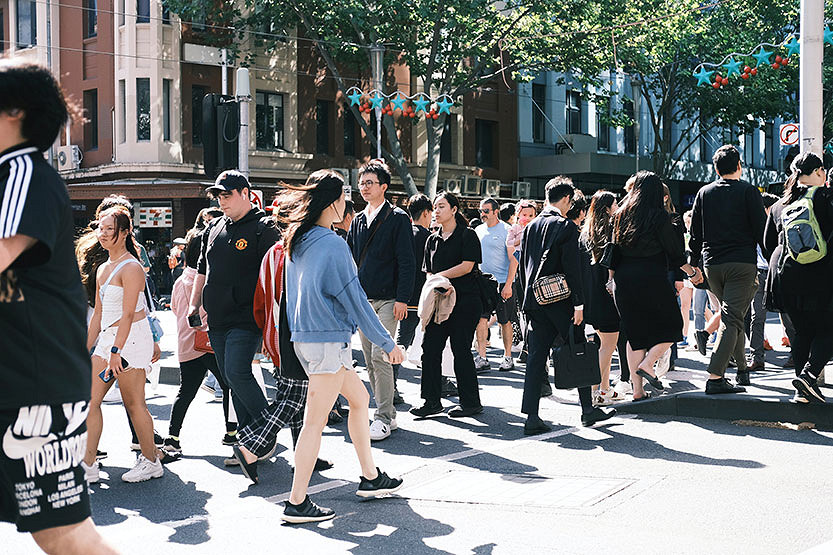
Melbourne doesn’t dress to be seen. It dresses to be understood. There’s something introspective about it.
A little European.
A little art-school serious.
A little dramatic when the sky turns grey at 3 pm.
When the weather shapes the wardrobe
The wardrobe here is not just aesthetic. It’s atmospheric. There’s a joke every Melburnian has made at least once: “If you don’t like the weather, wait ten minutes.” That’s true as in Melbourne, you can experience:
- Morning sun
- Midday wind
- Afternoon rain
- Evening chill
All before dinner.
The weather here doesn’t gradually shift. It pivots. Melbourne’s cool winters and famously unpredictable days demand layers. A long black coat cuts wind, it survives drizzle and transitions from office to wine bar without a fuss.
The weather trained Melburnians to expect change. To prepare. To adapt. That psychological flexibility shows up everywhere. In our conversation, in politics, in café culture and in the quiet confidence of the city.
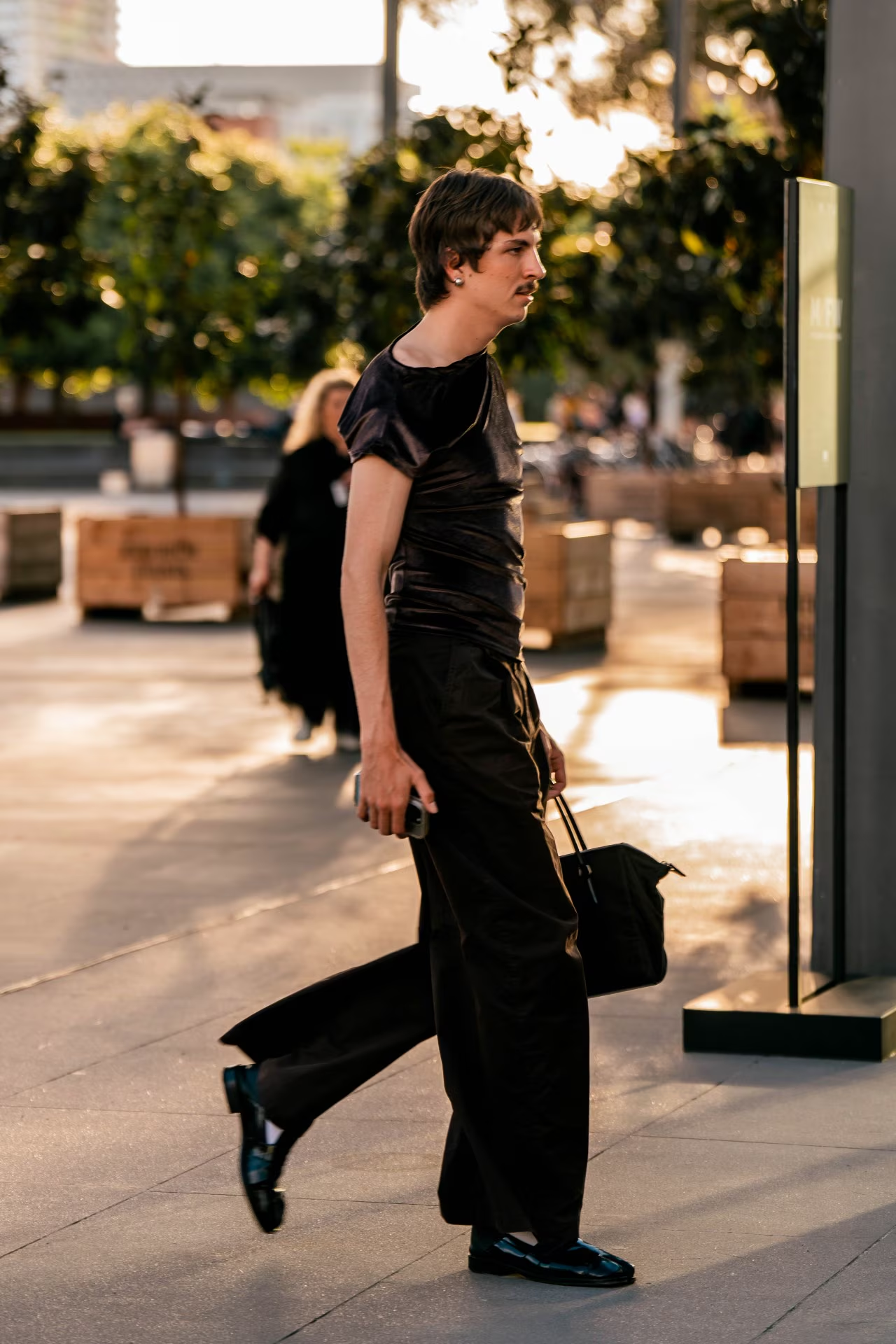
But the monochrome trend is changing
If you had visited ten or fifteen years ago, the monochrome might have felt even more absolute. In fact, then it was difficult to even find colorful coats or cardigans.
The CBD was almost uniform. It was like a sea of tailored blacks and charcoal minimalism.
But step beyond the city grid now. Leave the sharp edges of the CBD and head north into Fitzroy or Brunswick. Drift west toward Footscray and the inner suburbs.
You’ll start to notice a shift.
The palette softens. Then brightens.
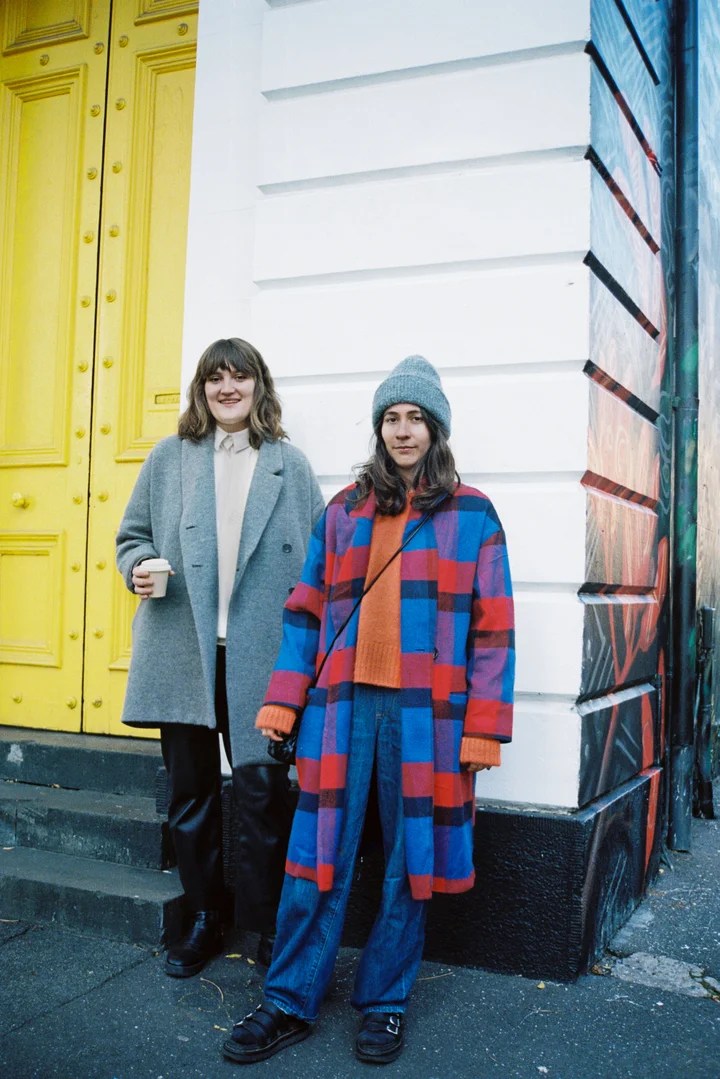
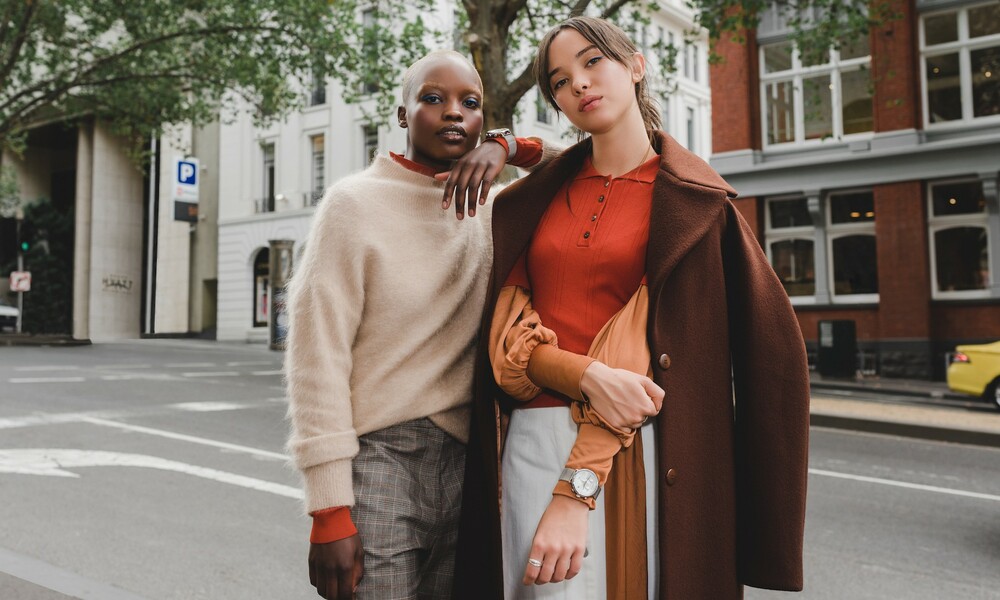
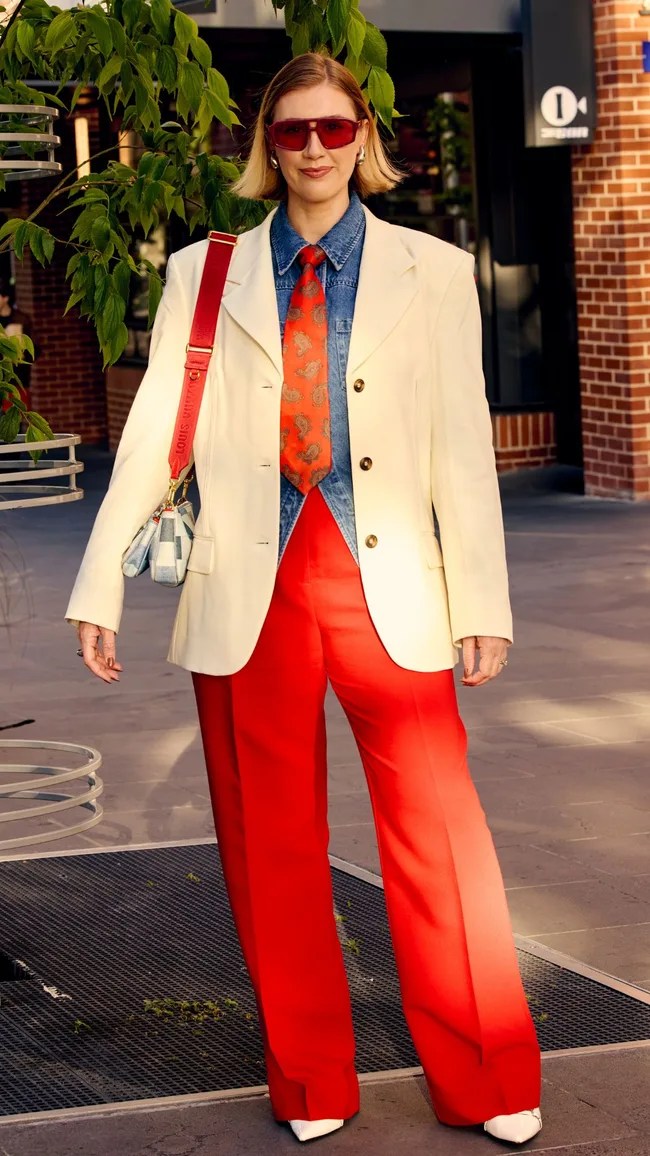
There’s colour again: burnt orange knits, emerald trousers, patterned scarves, vintage denim stitched with personality. Outfits feel less uniform, more expressive. It’s thoughtful, but playful. Curated, but not restrained.
Here, fashion feels less like quiet conformity and more like conversation. You’ll see bold earrings with oversized blazers. Bold sneakers paired with flowing skirts. Handcrafted pieces layered with op-shop finds. Gender-fluid silhouettes and playful layering that isn’t afraid of contrast. It’s still intentional but it’s freer.
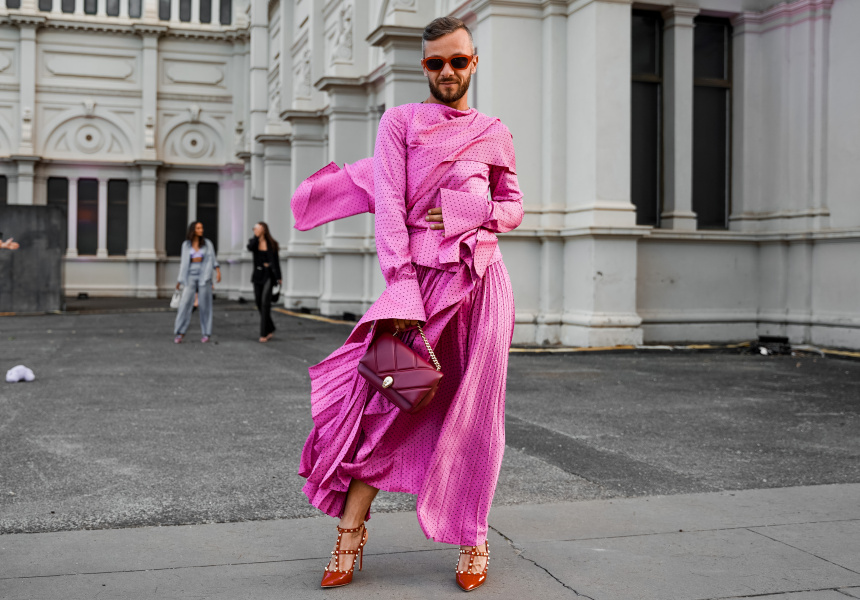
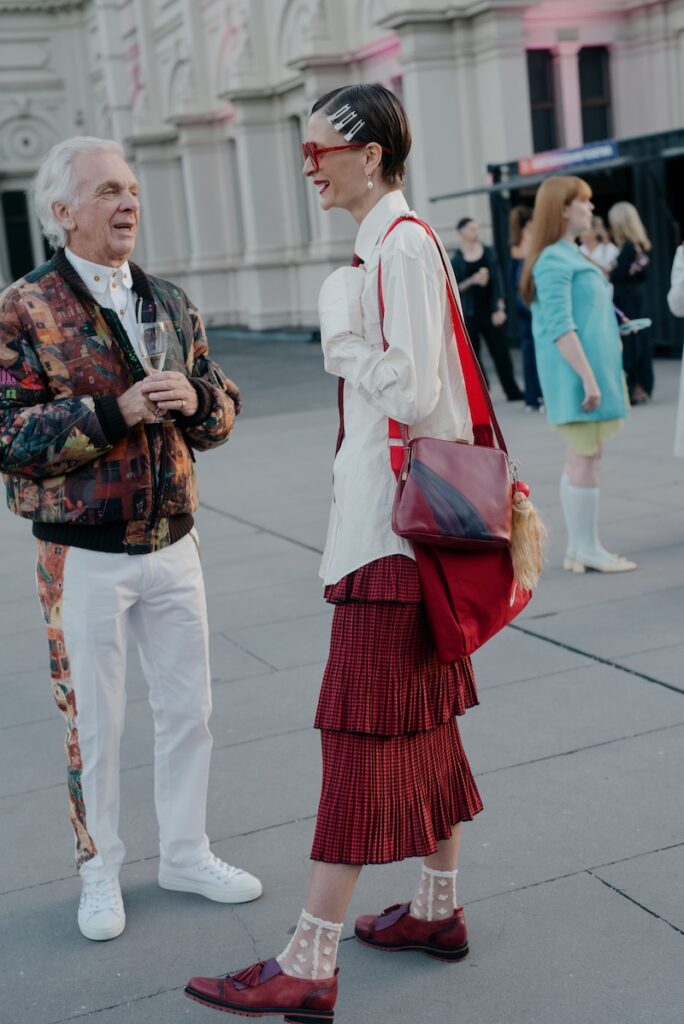
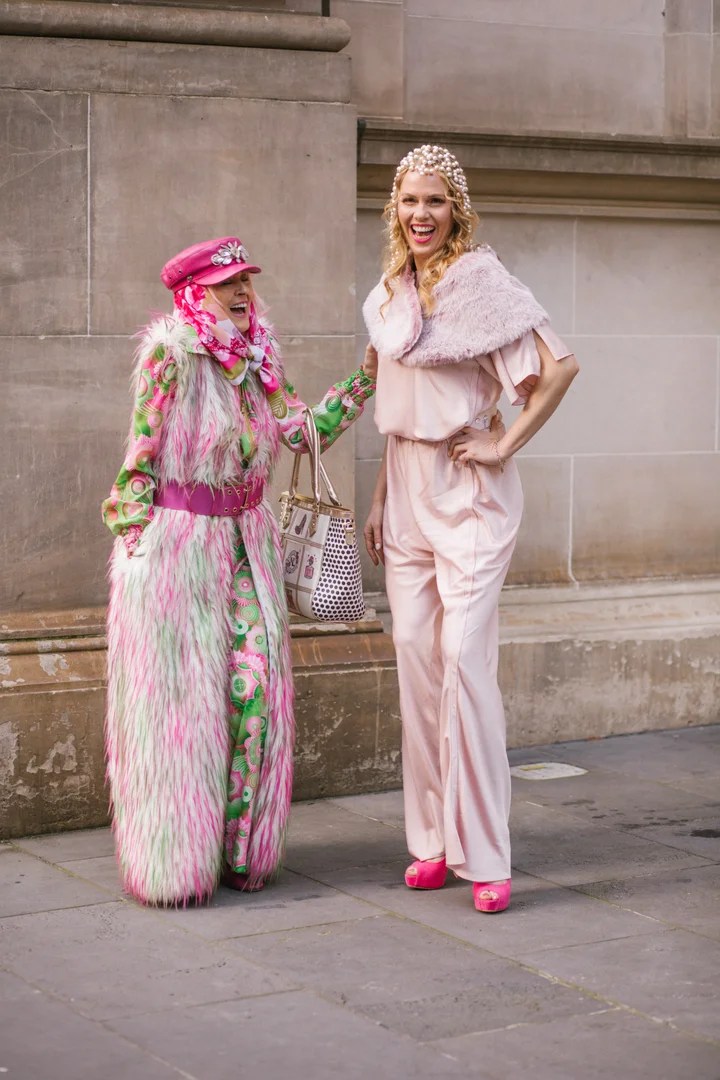
The monochrome hasn’t disappeared. It’s just making room for colour.
The change hasn’t happened that rapidly in the corporate heart of the city but its surely changing. Its a lovely change to see younger creatives, multicultural communities, and designers pushing away from quiet conformity.
Melbourne is still layered and thoughtful. But colour is returning but black will remain a favorite.
Come summers or those rare sunny days, drive two hours south to Lorne along the Great Ocean Road and see the palette shifts dramatically.
Suddenly there’s sun-bleached timber, pastel surfboards, bright windbreakers and ofcourse bare feet and sandy hair. Even the cars suddenly look brighter and brilliant.
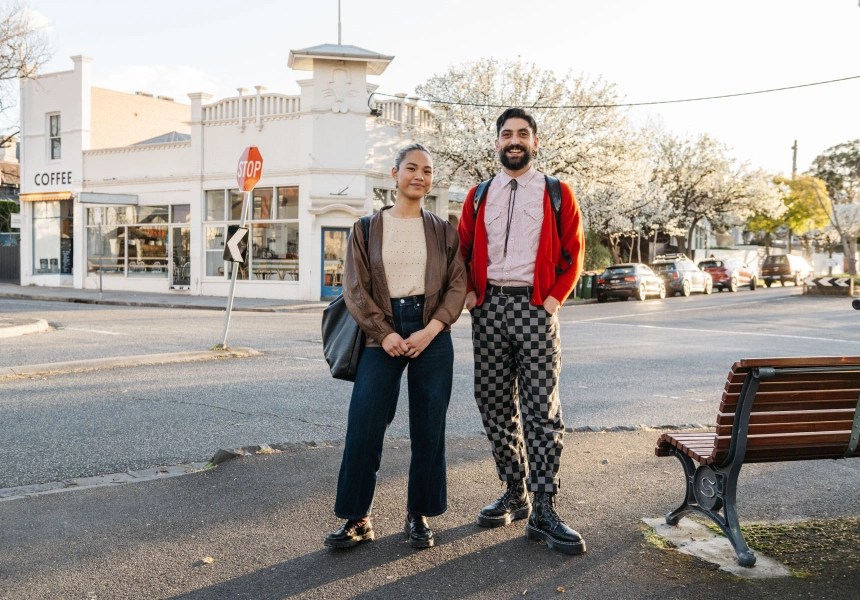
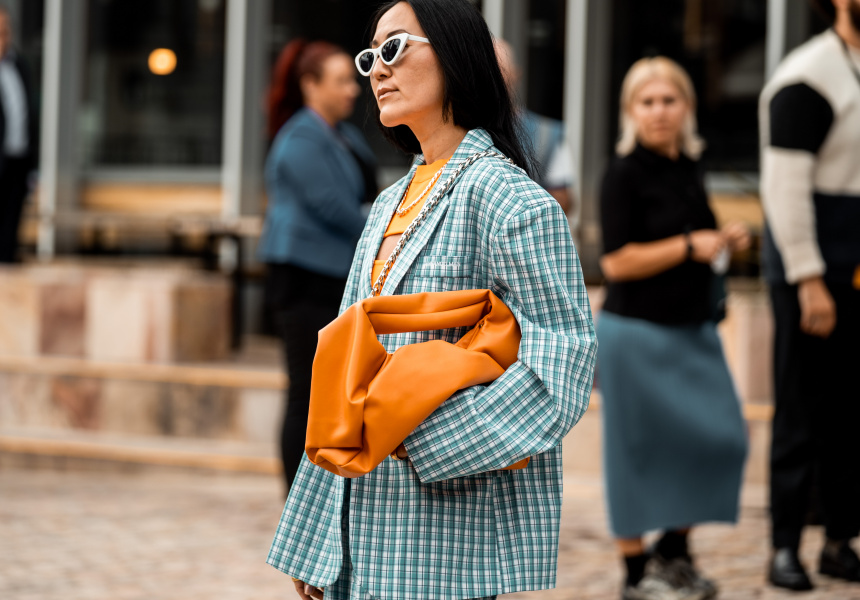
Or head to Port Fairy or towards Phillip Island or travel along the Mornington Peninsula and you’ll notice the change immediately.
Here, clothing lightens, linen replaces wool and colours soften. Hair moves with the wind without apology and lights rains are shrugged off. A sense of a quiet rebellion against uniformity.
So if you’re visiting Melbourne for the first time, don’t be surprised by the black. Because beneath the monochrome, this city is anything but muted.

 Local Vic