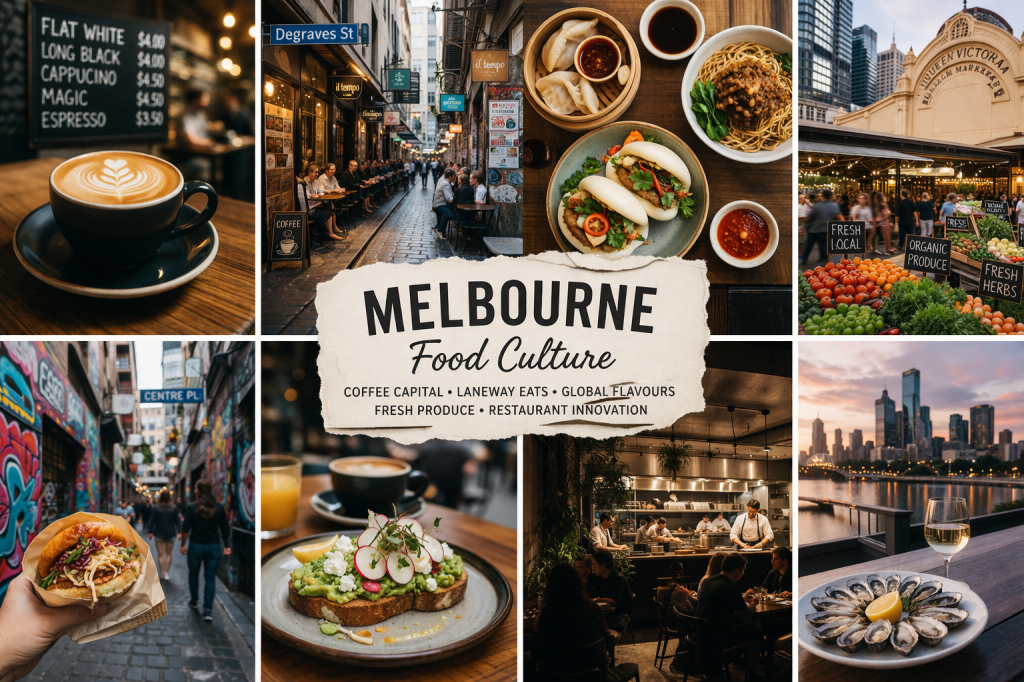
You are in Melbourne standing in a laneway with a flat white or an expresso and eating something on a sourdough. If its your first time, this is the moment you realise the produce here tastes… alive.
So how did this state get so serious about food?
Food here isn’t accidental. It’s intentional.
Victoria’s culinary culture was built through:
- Post-war immigration (Italian, Greek, Vietnamese, Lebanese, Turkish, Indian, Sri Lankan communities)
- Exceptional agricultural diversity
- A competitive café and restaurant culture
- Strong producer-to-chef relationships
- A public that genuinely cares about food quality
What you must eat in Victoria (quick checklist)
- Flat white coffee
- Award-winning country pie
- Wood-fired sourdough
- Gippsland steak
- Yarra Valley cheese platter
- Mornington Peninsula Pinot Noir
- Vietnamese pho in Springvale
- Seasonal stone fruit
- Farmers market tomatoes
Melbourne’s coffee culture is world-class
Melbourne’s coffee obsession is generational. Espresso culture arrived with Italian migrants in the 1950s. In 1954, Pellegrini’s Espresso Bar opened and helped introduce espresso to Australia. It is widely credited as one of Australia’s first espresso bars.
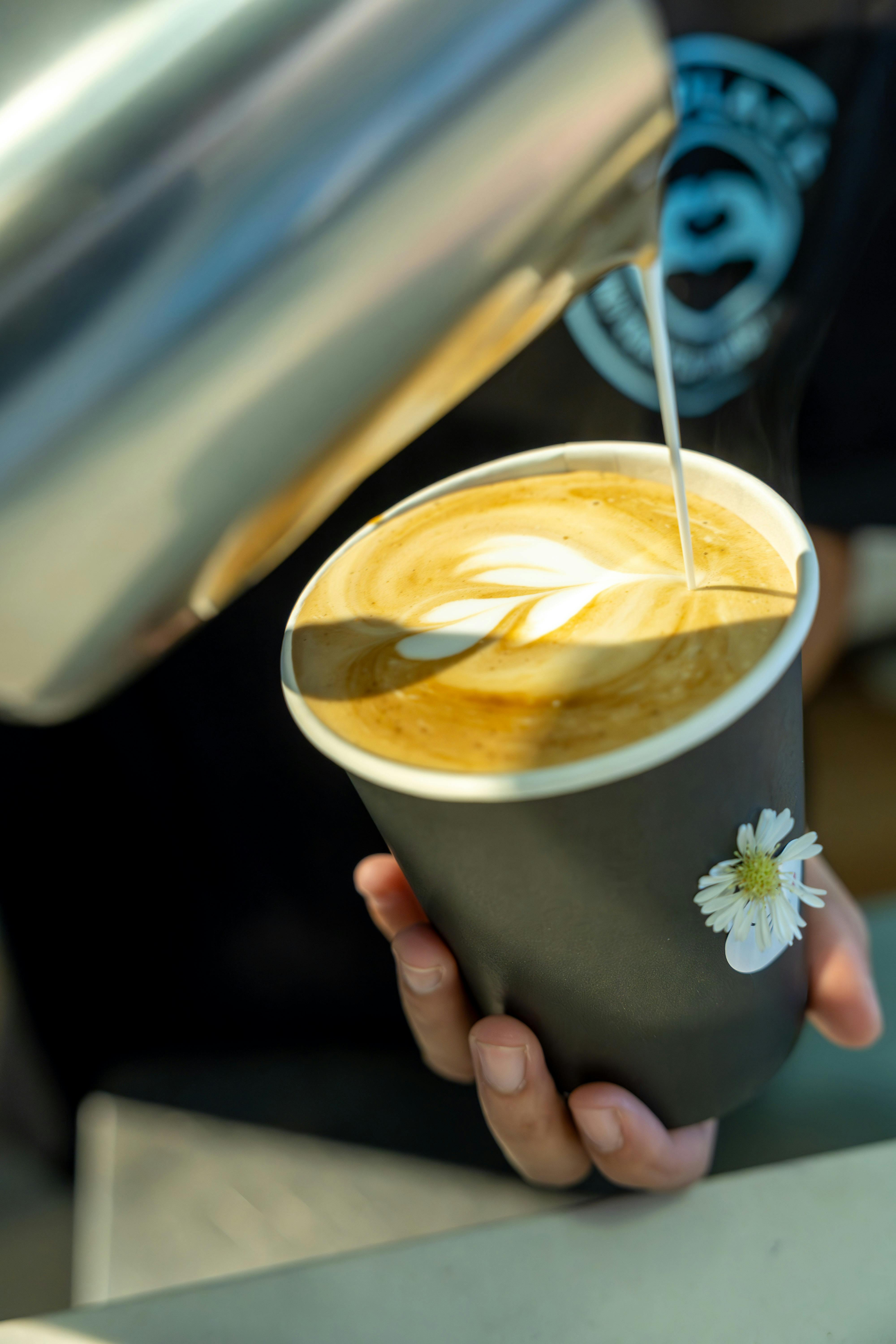
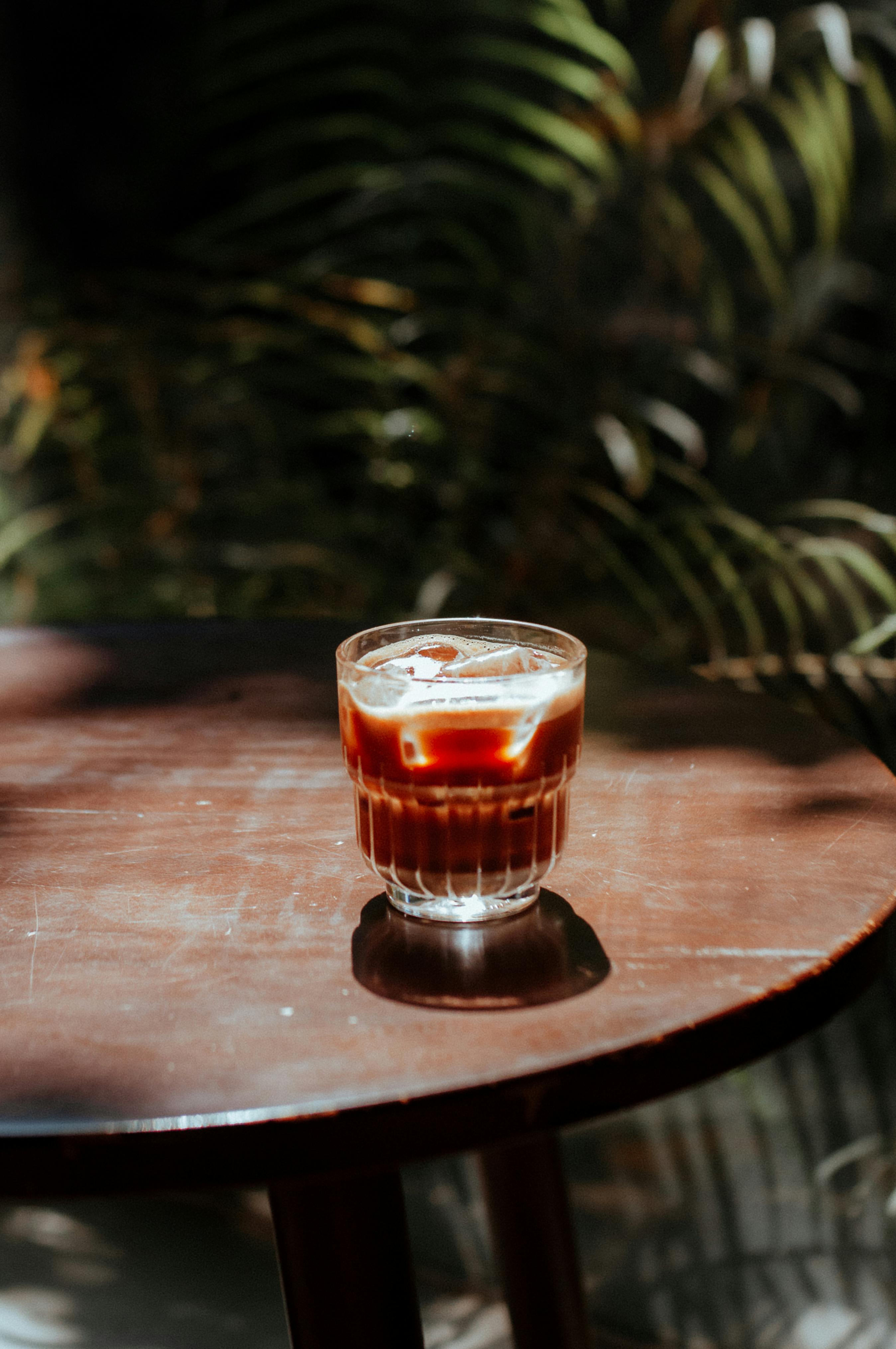
Melbourne’s espresso culture is the result of decades of Italian migration, competitive café standards, and a third-wave obsession with sourcing, roasting and extraction precision. The result? You can walk into a random suburban café and receive a cup that would be considered elite elsewhere.
Notes for travellers:
- Most of these cafés are focused on morning and midday service and many close by mid-afternoon.
- Some roasteries have multiple locations or expanded since their original cafés opened.
- Avoid asking for “regular coffee.” Be specific.
- Ask what beans are on offer
What to Order in Melbourne
- Start with a Flat white
- Try the Single-origin espresso
- Batch brew filter coffee are top of the class
- Magic (a double ristretto with steamed milk — Melbourne specific)
In Melbourne, a “bad coffee” is genuinely surprising.
Award winning pies in regional Victoria
The meat pie is Australian culture in pastry form but here in Victoria, the pie too got elevated.
Country bakeries across the state compete in national and international pie awards, turning roadside stops into culinary destinations. We have often taken trips only to try out the best pie in and around Victoria and never been dissappointed!
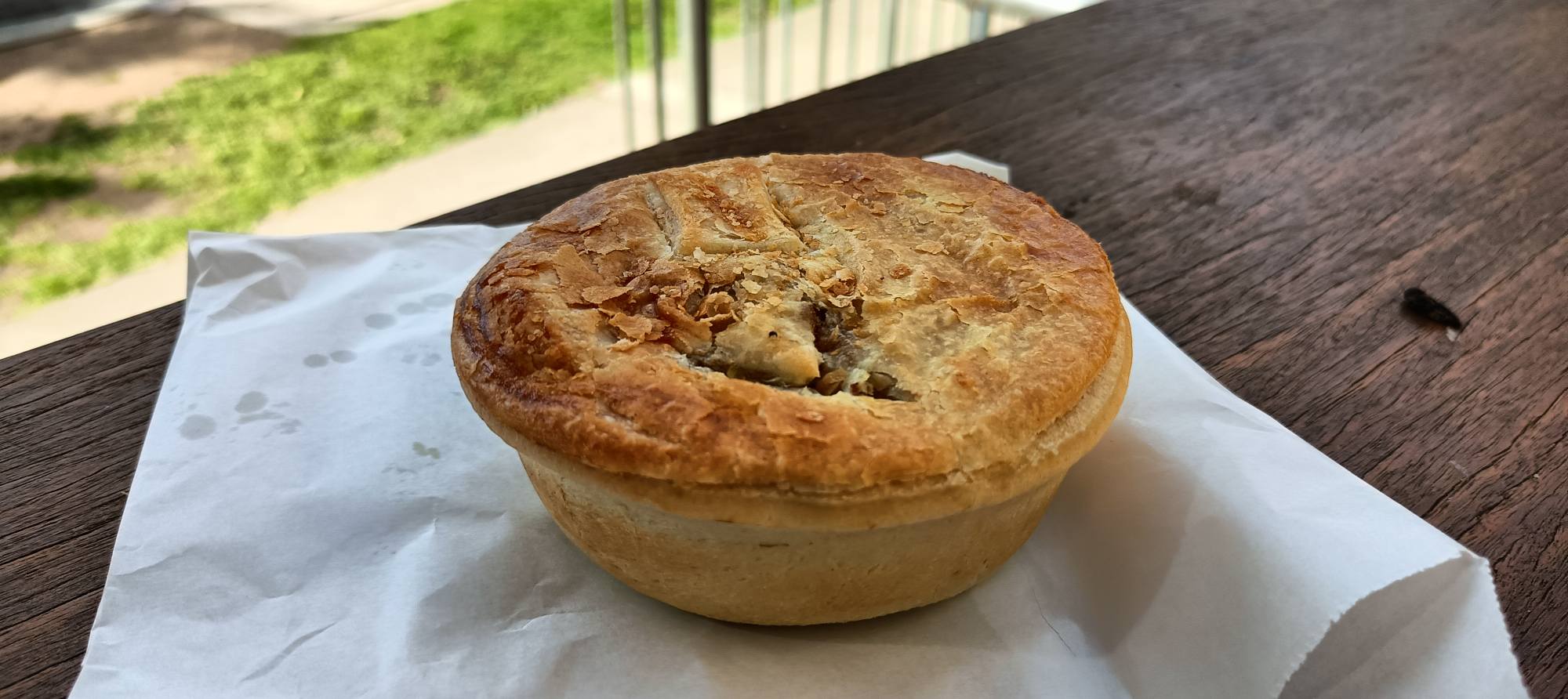
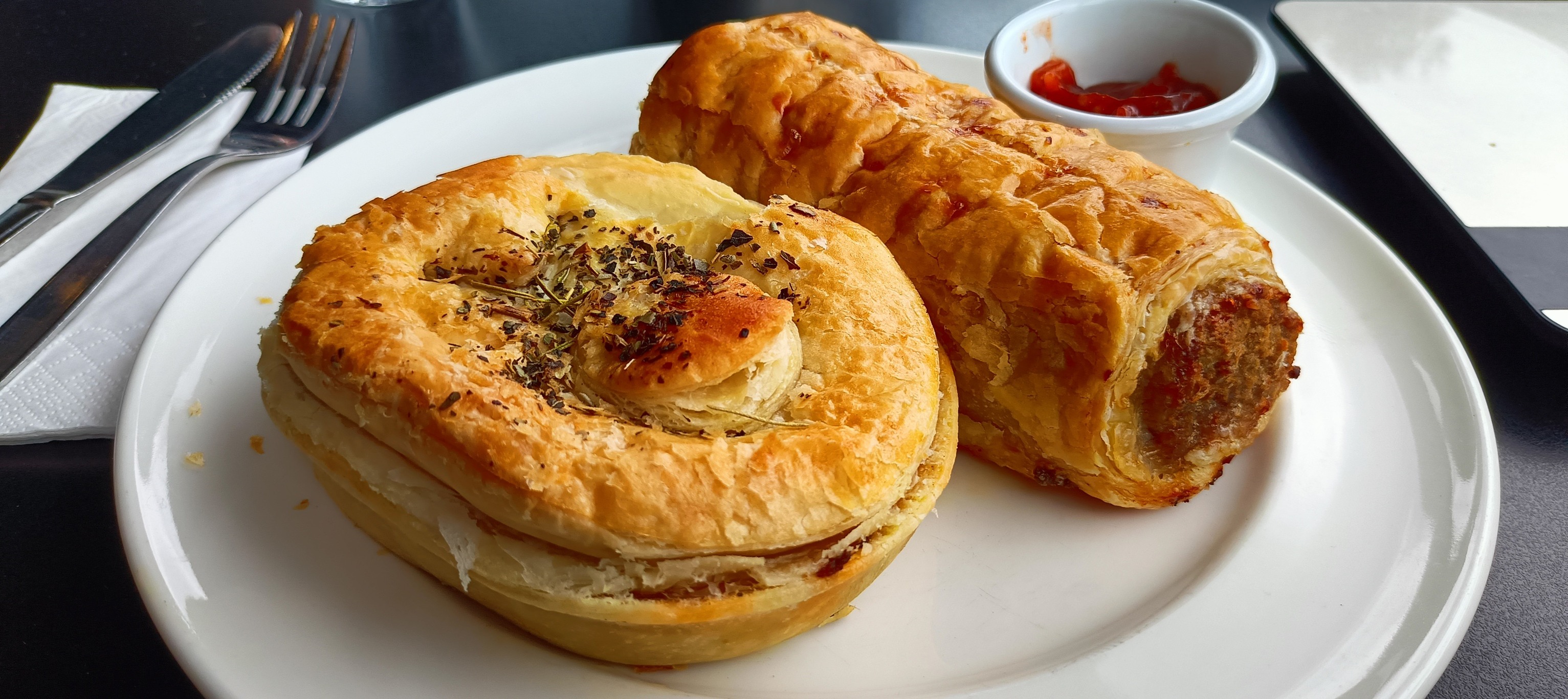
Some must-visit pie destinations
- Country Cob Bakery, Kyneton – Multi-award-winning pies and pastries.
- Rolling Pin Pies & Cakes – Consistently nationally recognised.
- Beechworth Bakery – An institution for road-trippers.
- Yea Bakery – Award winning range of pie for every taste.
- Island Pies, Newhaven
- Gaffney’s Pie Kitchen, Seymour – best beef pie, spinach and fetta roll and anzac biscuits.
- Missen Links in Traralgon
- Parker Pies, Rutherglen
Insider tip: The best pies are often found in small towns, not cities.
I will do a Pie blog soon, for now check these references:
- Racv lists out victoria’s best pies from regional-victoria
Victoria’s Sourdough and Artisan Bread Movement
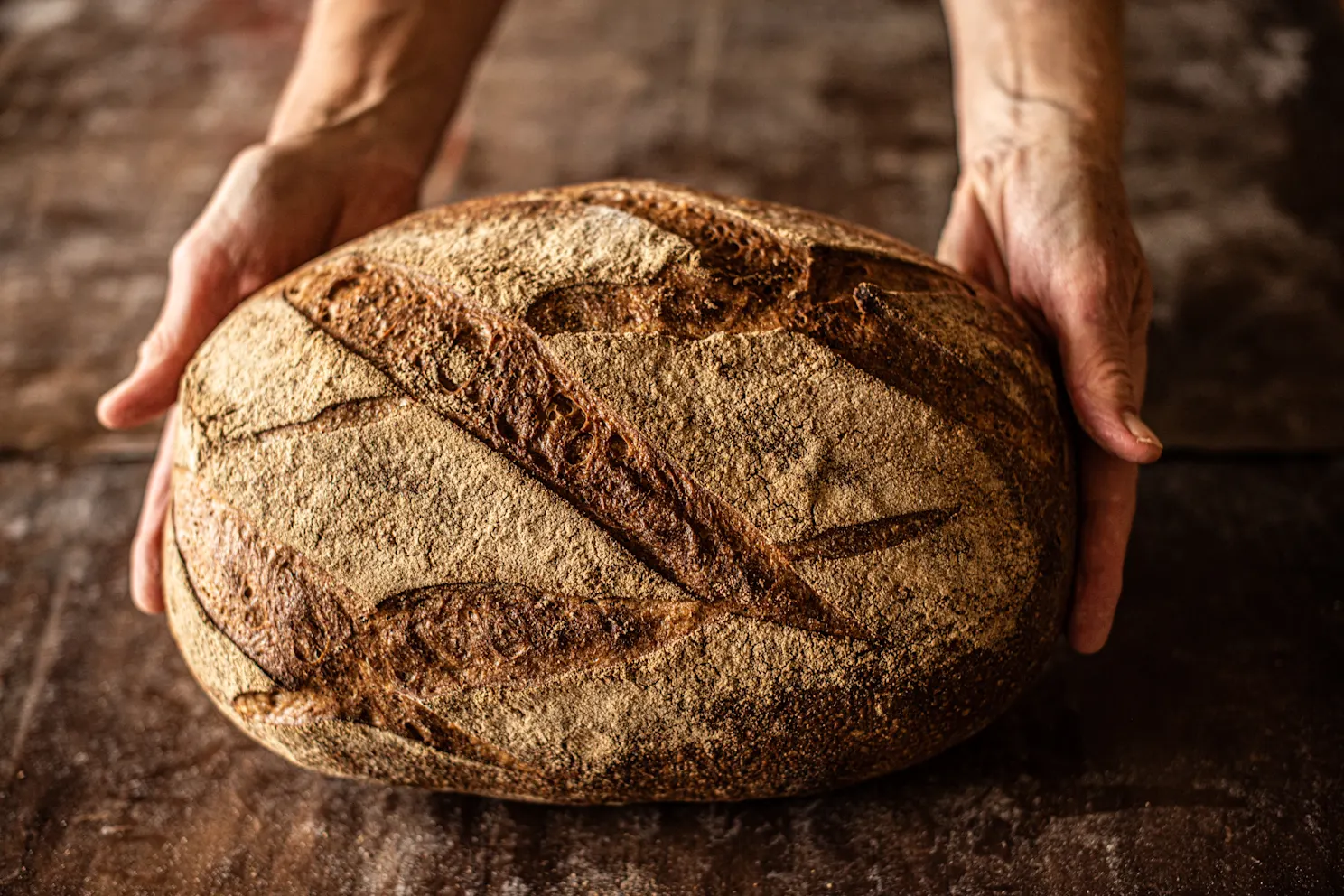
Victoria helped lead Australia’s artisan bread revival. Long fermentation, organic flours, and wood-fired ovens turned sourdough into a daily staple rather than a niche product.
Best artisan bakeries
- Baker Bleu are located in various locations and popular for sourdough bread & pastries
- Dench Bakers
- Dunkeld Old Bakery, Dunkeld offers flaky croissants, pains au chocolat filled with Belgian Callebaut chocolate., fat, cheesy toasties and even flour-free baked goods like almond and coconut cake, and apple and cinnamon slice.
- RedBeard Historic Bakery, Trentham also offer Sourdough baking workshops. As seen in the image above, the ‘Reynard sourdough’ here is made with an old French red wheat variety, has a terracotta crust, an earthy pink crumb and a lovely nutty flavour.
- Forest General Store, Forest are known for slow-cook Otway beef
- Tuerong Farm, Mornington Peninsula
- Milawa Bread, Milawa are popualr for the French-style vanilla slice!
- Blumes Historic Bakery, Harcourt are known for 18-hour fermented sourdough bread and the lamington which is possibly the best in the country.
- Gezza & Co, Castlemaine are the go-to for baked goods.
- Johnny Baker, Castlemaine has a range of pies, bread, tarts, cakes, and pastries.
- Le Peche Gourmand, Creswick
Best of multicultural food in Victoria
Victoria’s immigration history defines its dining landscape. This section needs plenty of more detailed blogs but for now go get something to start on with.
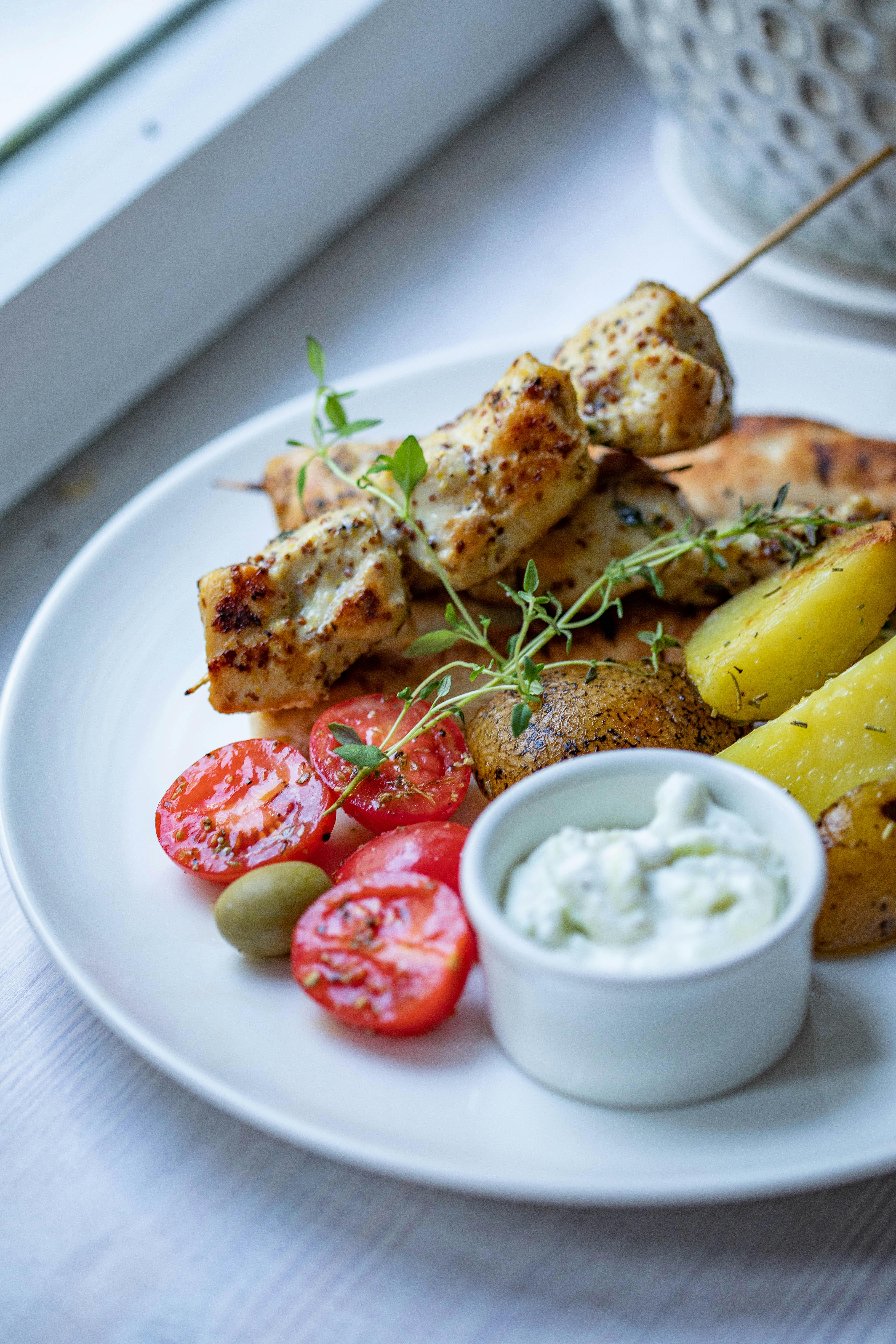
Vietnamese Food in Springvale
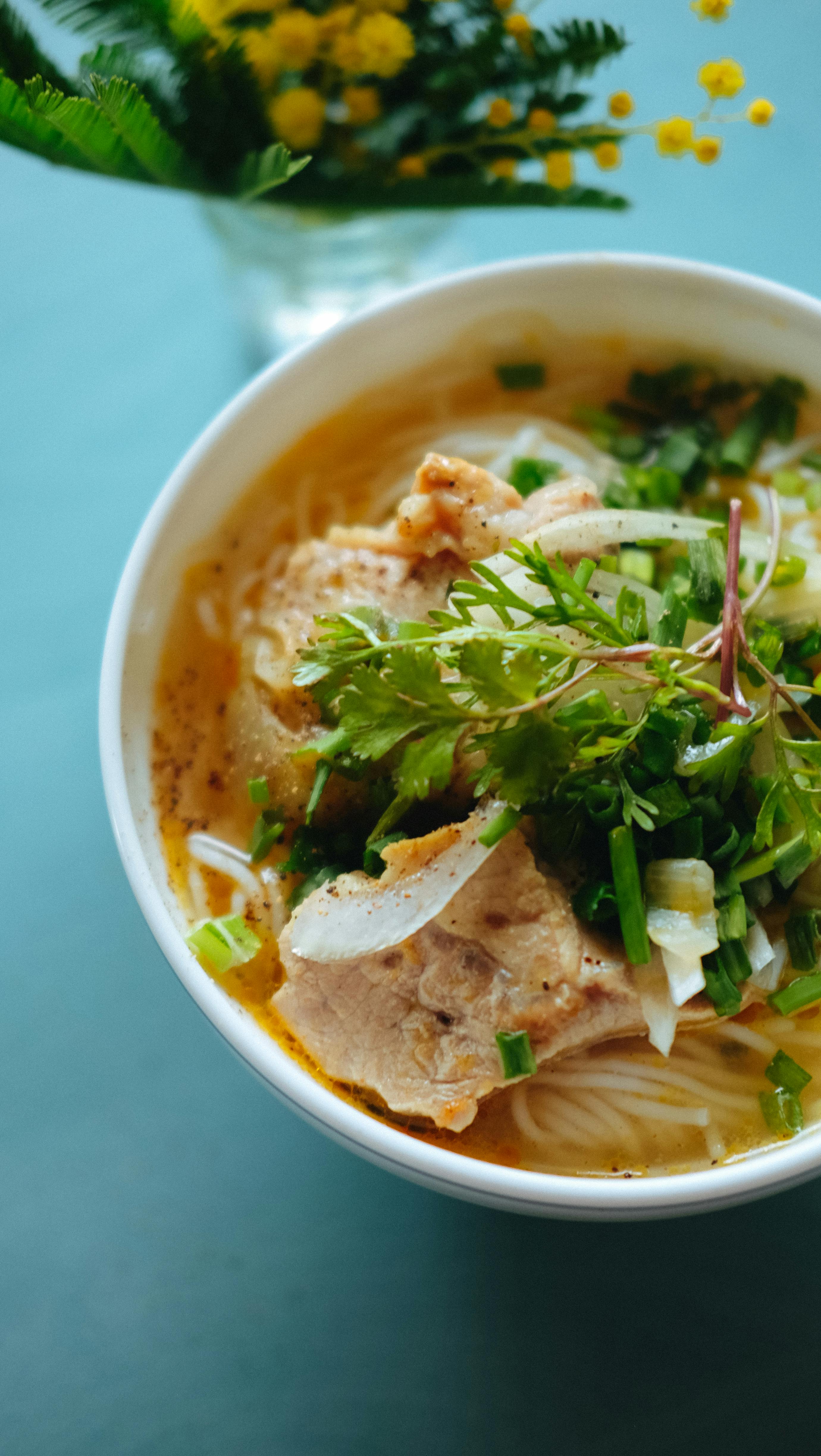
The suburb of Springvale is home to one of Australia’s largest Vietnamese communities.
Must-eat dishes:
- Pho
- Bánh mì
- Fresh rice paper rolls
Greek Food in Melbourne
Melbourne has one of the largest Greek populations outside Greece. Expect:
- Souvlaki
- Spanakopita
- Honey-soaked baklava
Middle Eastern & South Asian Influences
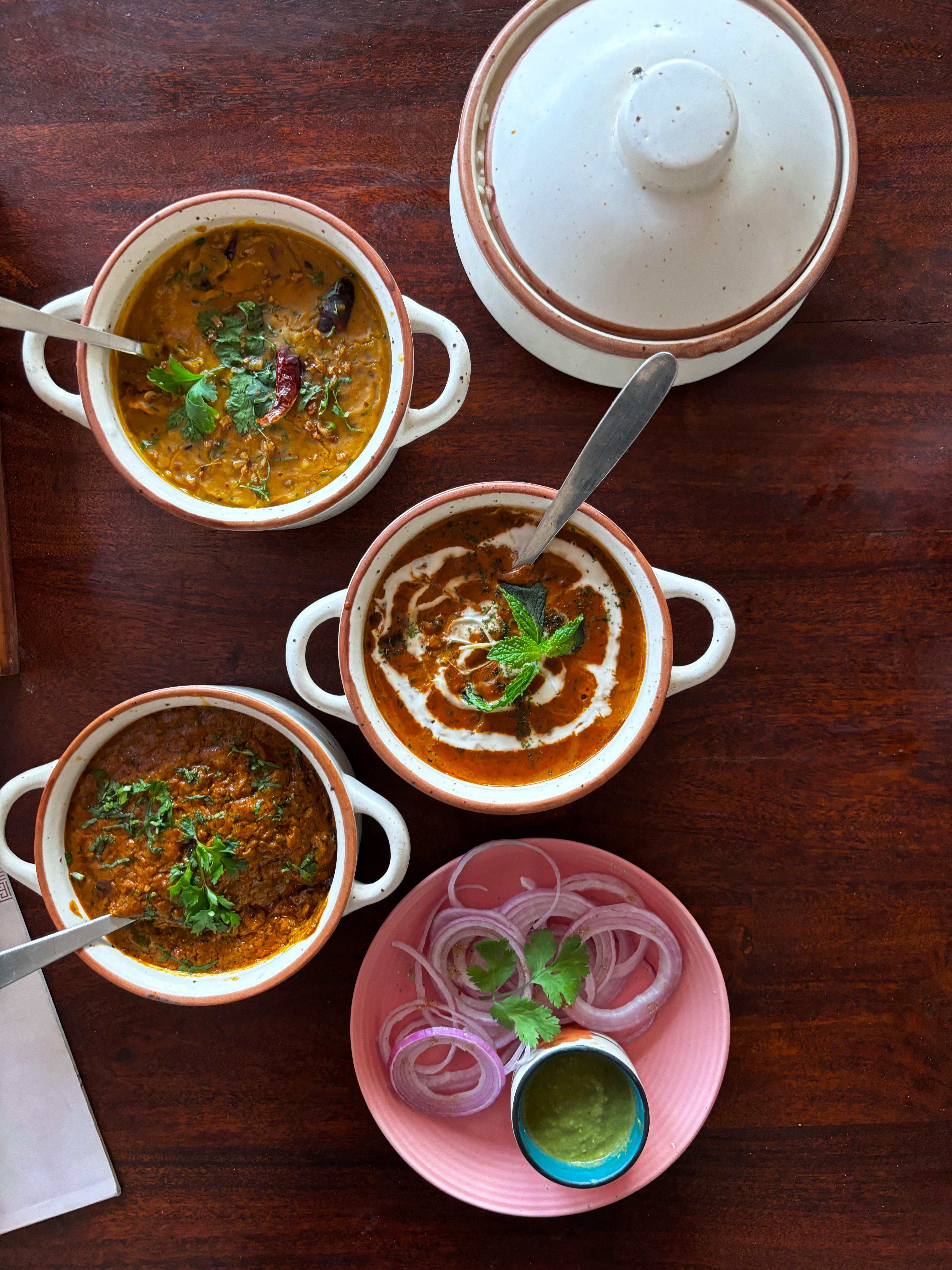
Lebanese charcoal chicken, Sri Lankan hoppers, Turkish gözleme, and Indian thali meals are woven into everyday Victorian dining.
Eating in Victoria means travelling the world without leaving the state.
Best Local Produce in Victoria (By Region)
Victoria’s small geography hides enormous agricultural diversity.
Yarra Valley: Dairy & Cool-Climate Produce
The Yarra Valley is known for premium milk, cheese, and wine.
Visit:
- Yarra Valley Dairy
Mornington Peninsula: Wine & Coastal Produce
The Mornington Peninsula produces exceptional Pinot Noir and Chardonnay, alongside olives and seasonal vegetables.
Gippsland: Beef & Pasture Farming
The Gippsland region is renowned for grass-fed beef and dairy production.
Goulburn Valley: Stone Fruit
The Goulburn Valley supplies peaches, nectarines, cherries, and apples nationwide.
Visit in summer for peak-season flavour.
Best food markets in Victoria
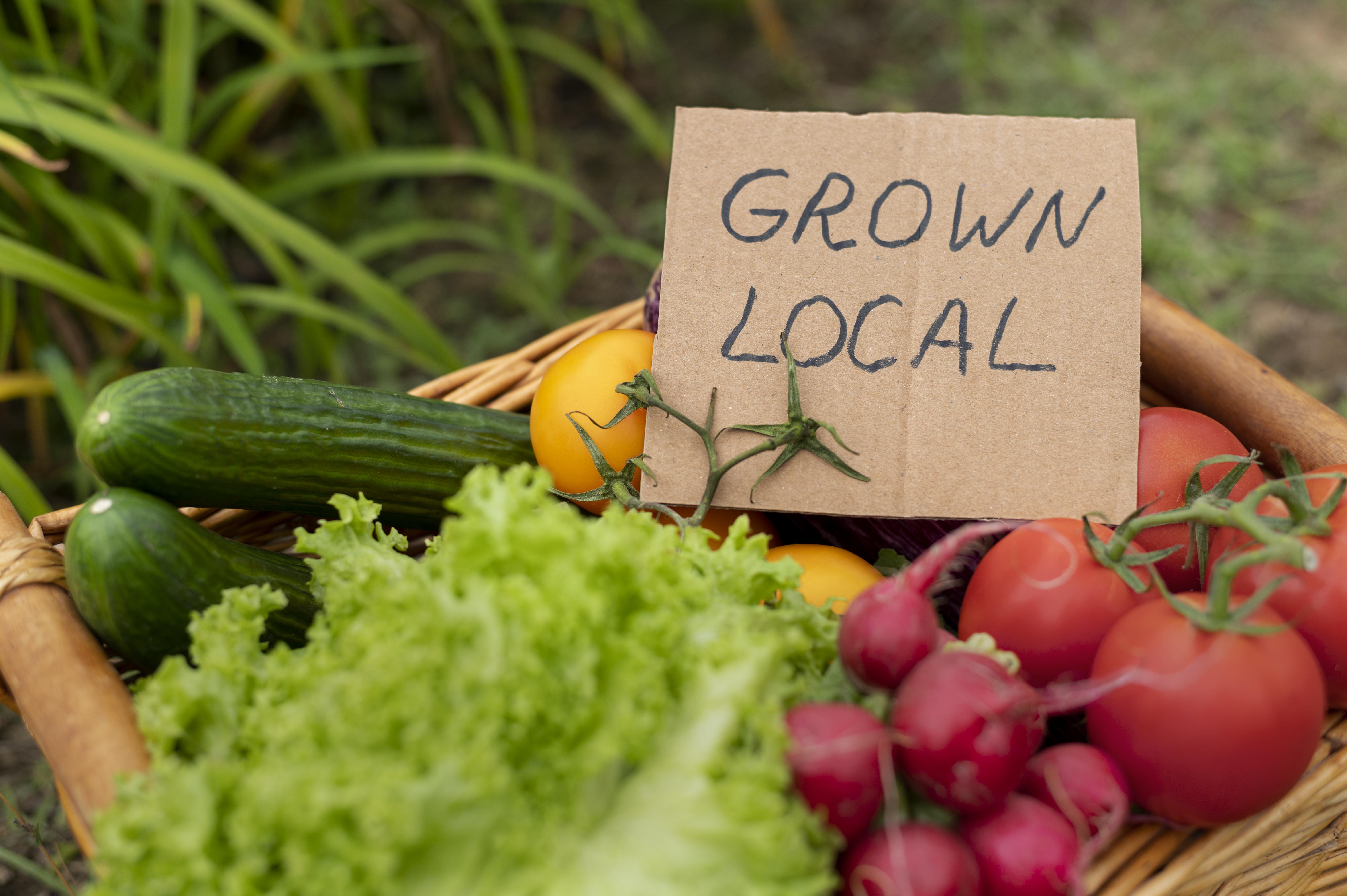
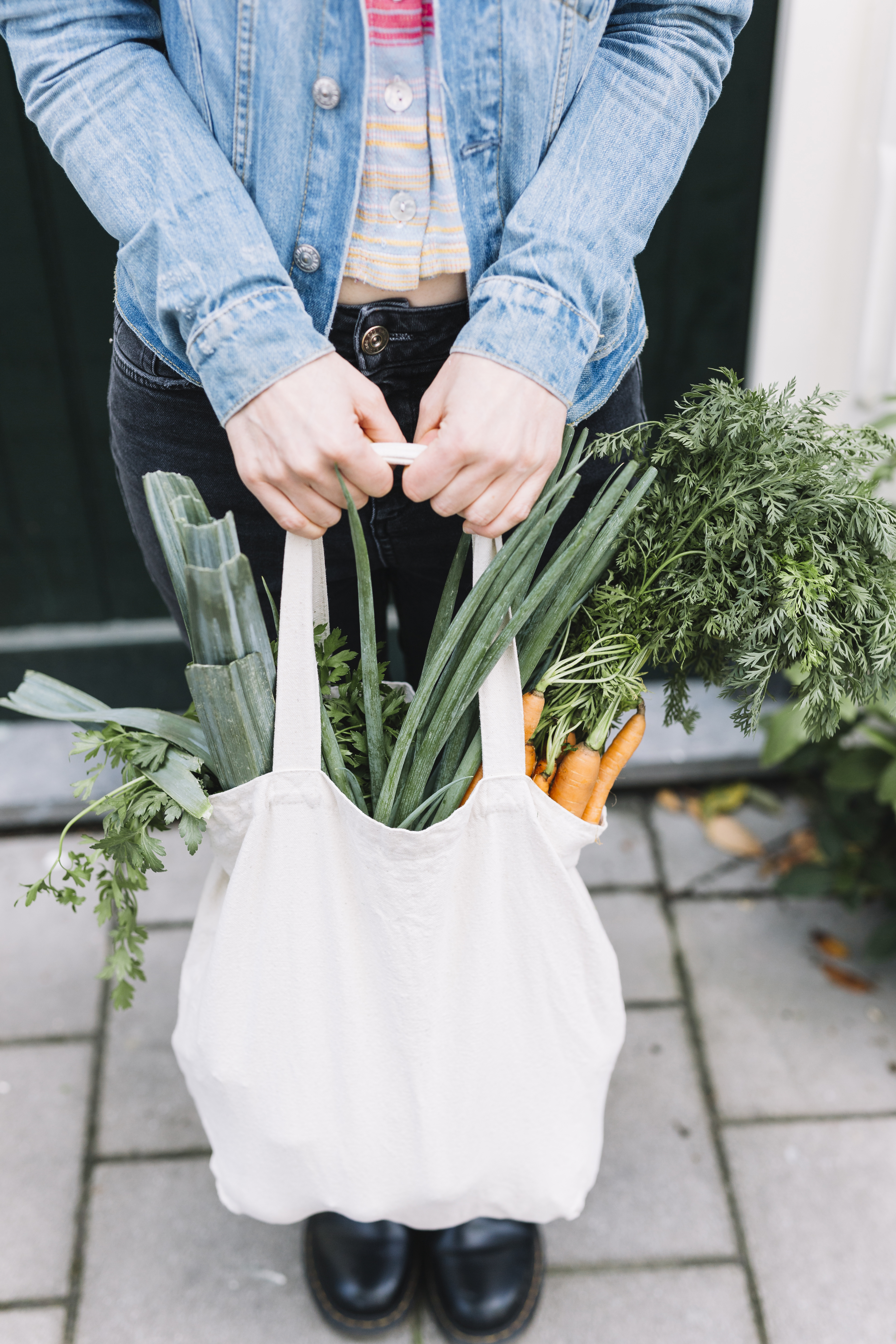
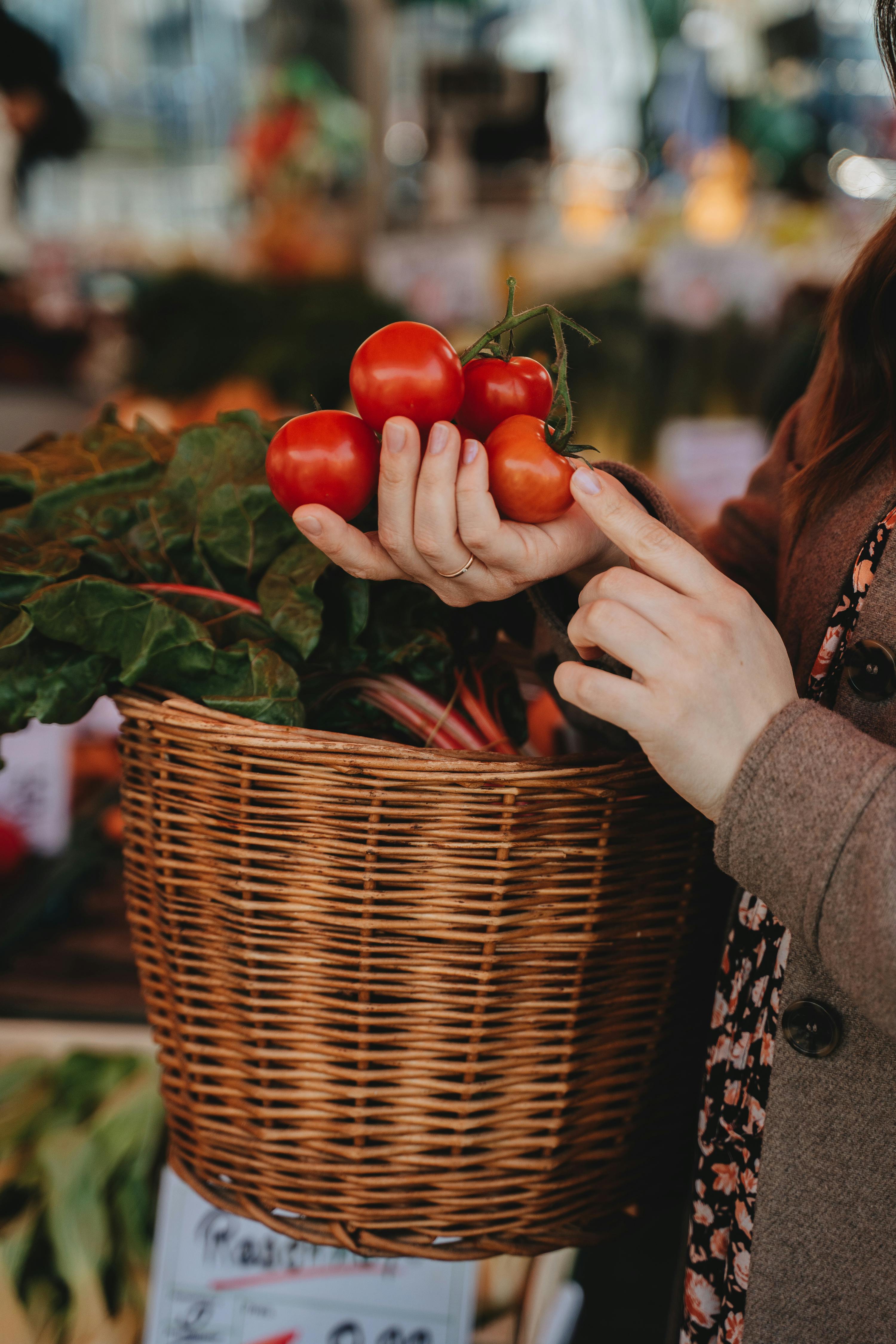
Markets are where locals shop and where travellers should too. Victoria’s food markets are not just shopping spots — they’re cultural experiences where you meet producers, taste the season, and understand food where it comes from.
Queen Victoria Market
Often called “Queen Vic”, this is Melbourne’s most famous food destination and one of the largest open-air markets in the Southern Hemisphere. It’s been running since 1878 and is a must-visit for anyone who loves food.
You’ll find:
- Fresh fruit & vegetables
- Seafood and butcher stalls
- Artisanal cheeses and dairy
- Gourmet pantry items and specialty foods
- Street food and multicultural eats
With 600+ vendors under one sprawling site, it’s worth a full morning of exploring.
South Melbourne Market
Operating since the 1860s, South Melbourne Market is a favourite with locals for both everyday shopping and specialty food experiences. Expect:
- Sustainable seafood
- Fresh produce
- Artisanal bread and pastries
- Gourmet cheeses and deli items
- Ready-to-eat foods (porchetta rolls, dumplings, dim sum)
It’s smaller than Queen Vic, but widely regarded as the best market for food touring and street eats within Melbourne.
Prahran Market
Australia’s oldest continuously operating food market (since 1864), Prahran Market blends tradition with quality. It’s renowned for:
- Premium fruit & vegetables
- Specialty meats
- Olives, antipasto and global delicacies
- Pastry shops and fine bakeries
- Food demonstrations and tastings
It’s a foodie favourite for both home cooks and visiting chefs.
Regional Farmers Markets (Across Victoria)
Happening around the year, these markets are more than just a place to shop. It is here that we get a chance to meet the growers and makers behind our food, learn their stories, and taste produce picked just hours before.
Experience my favorite farmers market or visit the official website at Victoria’s farmers’ markets to know what’s happening.
Regional food experiences worth the drive
Victoria rewards road-trippers and if you want to truly understand what to eat in Victoria you have to drive.
Phillip Island & Bass Coast
The Phillip Island region offers more than penguins and beaches. You’ll find fresh local seafood, farm-grown garlic (there’s even a Annual Garlic Festival!), boutique wineries and coastal bakeries.
Some of the best fish and chips shops are here — simple, fresh, perfect.
Mornington Peninsula
The Mornington Peninsula deserves a full day and no surprise it is one of the most visited areas for travellers and locals alike. Known for indulgent, slow food weekends, you can expect:
- Pinot Noir and Chardonnay
- Estate-grown olives
- Strawberries in season
- Coastal dining with vineyard views
Timboon
- Timboon Fine Ice Cream
Daylesford
Artisan bakeries, mineral springs, Boutique wineries, paddock-to-plate dining and slow-fermented sourdough. Buy local olive oil, seasonal mushrooms and farmhouse cheeses.
Castlemaine & Central Victoria
Castlemaine blends gold rush history with creative energy and serious food craft. Expect artisan baking, organic produce, farmers markets and small-batch spirits.
It’s a region where chefs left the city and built something slower, more intentional.
Great Ocean Road
Coastal seafood, dairy farms, distilleries.
Food in Victoria often tastes better because you’re closer to where it’s grown.
Otways
The Otway Ranges are known for lush rainforest, but the surrounding farmland produces exceptional dairy and pork. Stop in small towns where converted sheds house some of the most quietly excellent meals in the state.
Grampians (Gariwerd)
The Grampians National Park region produces elegant cool-climate wines and increasingly showcases native Australian ingredients. I love visiting this region for its landscape and culinary depth.
Known for:
- Shiraz with structure and spice
- Kangaroo and native herb dishes
- Indigenous food knowledge integrated into menus
Rutherglen
Near the NSW border, Rutherglen is one of Australia’s oldest wine regions, famous for fortified wines and Muscat. Historic cellar doors, family-run wineries, and multi-generational producers make this region feel deeply rooted.
Pair your tasting with regional beef and farmhouse platters.
Bellarine Peninsula
The Bellarine Peninsula combines cool-climate wine with pristine coastal seafood. The food here tastes of salt air and open water.
Highlights:
- Portarlington mussels
- Fresh whiting and snapper
- Olive groves
- Boutique vineyards
Mildura & The Murray
In the northwest corner of the state, Mildura sits along the Murray River and produces some of Australia’s best citrus, grapes, and almonds.
Influenced heavily by Italian migration, the region offers:
- Handmade pasta
- Olive oil tastings
- Riverland wines
- Farm-gate citrus in season
Bright & The High Country
The Victorian High Country, centred around Bright, delivers a completely different food experience.
Cool alpine air supports craft breweries, apple orchards, chestnut farms and boutique distilleries.
Autumn here is my favorite with crisp air, harvest menus, and seasonal produce at its peak.
Restaurants that defined ‘Modern Australian Cooking’
Victoria helped shape what the world now calls “Modern Australian cuisine.”
- Stephanie Alexander – Pioneer of seasonal, produce-driven cooking.
- Stephanie’s Restaurant – Influential in the 1970s–90s.
- Jacques Reymond – Elevated fine dining.
- Philippe Mouchel – Classical French technique, Melbourne training ground.
Chefs trained here now lead kitchens globally.
Planning your food trip to Victoria
Seasonal Times to Visit
- Summer: Stone fruit, berries, seafood
- Autumn: Wine harvest season
- Winter: Truffles, slow-cooked dishes
- Spring: Farmers markets at their best
How to Eat Like a Local
- Avoid tourist-only strips
- Explore laneways
- Visit small-town bakeries
- Talk to market vendors
- Ask café staff what’s seasonal
No wonder, Melbourne is consistently ranked among the world’s great food cities.
If you’re visiting Victoria, don’t just book restaurants on main streets.
Turn into laneways.
Drive into small towns.
Stop at farm gates.
Talk to bakers.
Victoria became a culinary identity because people cared obsessively about what was on the plate. And once you taste it, you will too.

 Local Vic