Victoria has an underwater forest
Off the coast of Port Phillip Bay lies a submerged forest where remnants of ancient landscapes flooded after the last Ice Age. Divers have documented preserved tree stumps thousands of years old.
Buchan Caves were known to First Nations People for thousands of years
The spectacular limestone caves at Buchan Caves were known and culturally significant long before European “discovery.” They remain geologically active and stalactites are still slowly forming.
Victoria has a hidden glow worm colony
Near Warburton in the Yarra Ranges, glow worms illuminate damp forest walls at night. Watching them is a magical experience.
Great Ocean Road is world’s longest war memorial
The iconic Great Ocean Road isn’t just scenic but is the world’s largest war memorial.
Built by returned soldiers between 1919–1932, it commemorates those who died in World War I.
It doubled as a post-war employment project for veterans.
Victoria legalised the 8-Hour workday first
In 1856, stonemasons in Melbourne won the fight for an eight-hour working day which is one of the earliest victories of its kind in the world. This reform influenced global labour movements.
Victoria has one of the world’s most important fossil sites
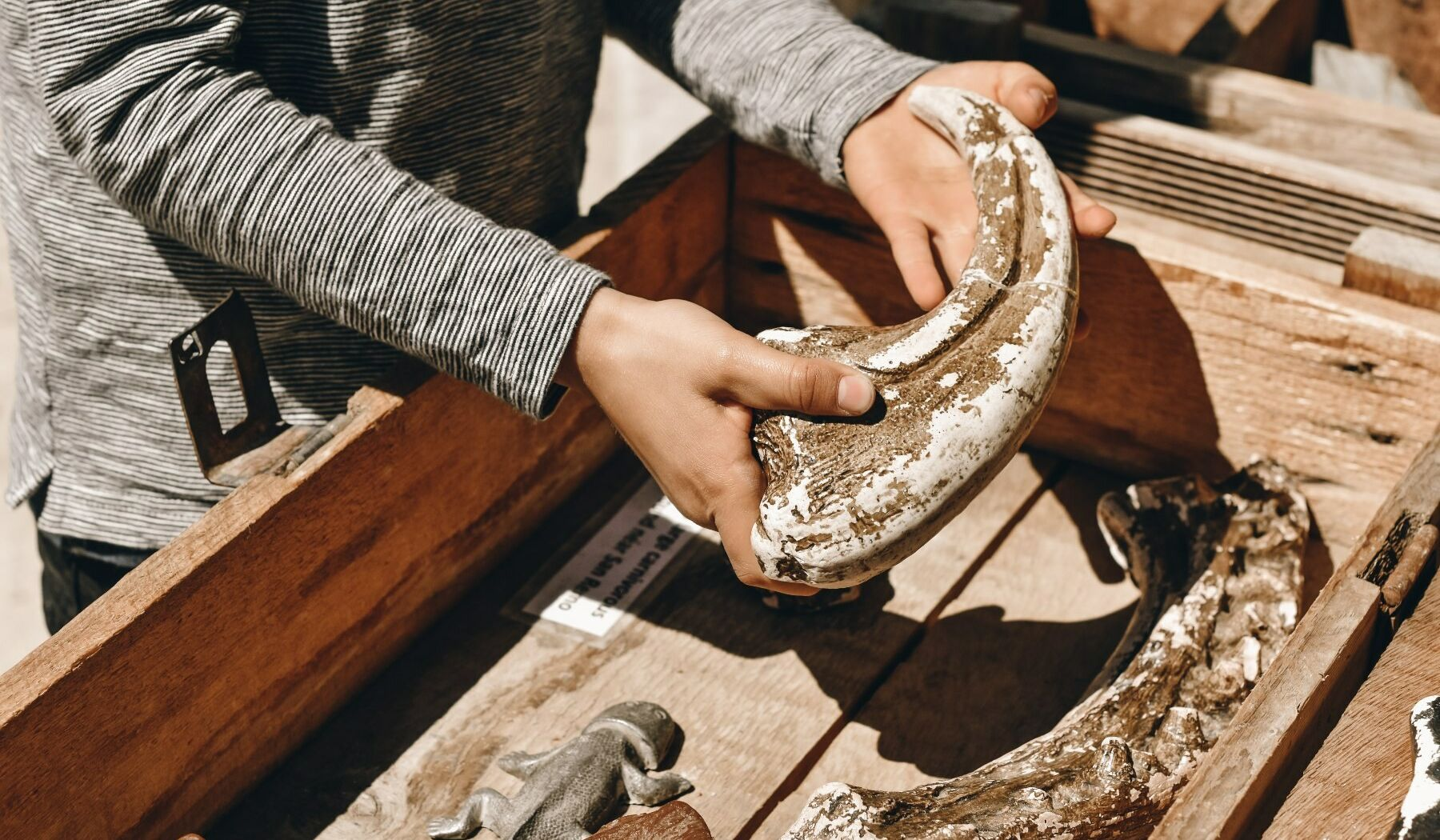
The Dinosaur Cove near Inverloch revealed polar dinosaurs fossils proving dinosaurs survived in near-polar climates over 100 million years ago. These discoveries reshaped scientific understanding of dinosaur adaptation.
Around 100 million years ago, Victoria was located much further south and connected to Antarctica as part of Gondwana. That’s why polar dinosaur fossils have been discovered along the Victorian coast.
Gippsland has Australia’s first recorded dinosaur fossil
The first Australian dinosaur bone ever formally described was found near Inverloch in 1903. Today, Dinosaur Dreaming continues excavation work and often uncovering polar dinosaur remains from when Victoria was near Antarctica.
You can climb Australia’s most technical mountain in Victoria
Mount Feathertop in the Victorian Alps is considered one of Australia’s most challenging non-technical peaks, with steep razorback ridgelines and alpine conditions that can change rapidly.
Victoria has one of the world’s largest shipwreck coasts
The stretch between Cape Otway and Port Fairy is often called the “Shipwreck Coast,” with over 700 recorded wrecks along the southern coastline.
The cliffs and reefs made it one of the most dangerous shipping routes of the 19th century.
French Island has no mains power or water
Despite being close to Melbourne and such advancements, French Island remains largely off-grid.
It has one of the largest koala populations in Victoria and feels like stepping back in time.
Wilsons Promontory was nearly turned into a Military Base
During WWII, Wilsons Promontory was used as a commando training ground. Parts of it were closed to the public, and unexploded ordnance was discovered decades later.
The ‘Black Saturday Fires’ changed global fire policy
The 2009 bushfires reshaped emergency management frameworks worldwide. The Strathewen and surrounding areas became case studies in climate resilience and disaster recovery strategy.
Victoria is now one of the most studied regions globally for bushfire behaviour.
The world’s tallest flowering trees
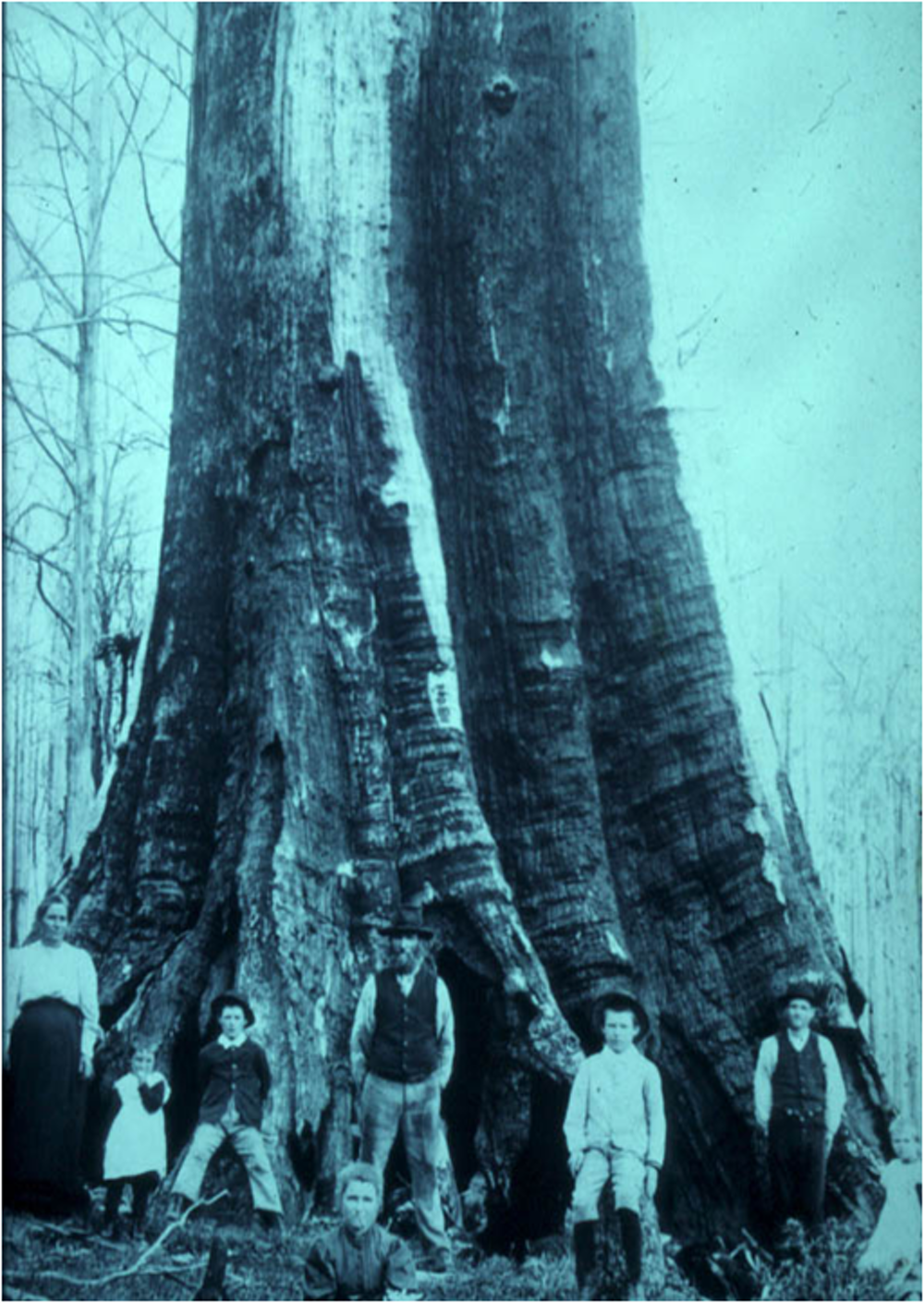
Victoria’s mountain ash trees (Eucalyptus regnans) are the tallest flowering plants on Earth. Some in the Central Highlands have grown over 100 metres tall.
Some Victorian trees were alive before the Roman Empire
Certain River Red Gums along the Murray River are estimated to be over 500 years old!
The ‘Ninety Mile Beach’ is one of the longest in the world
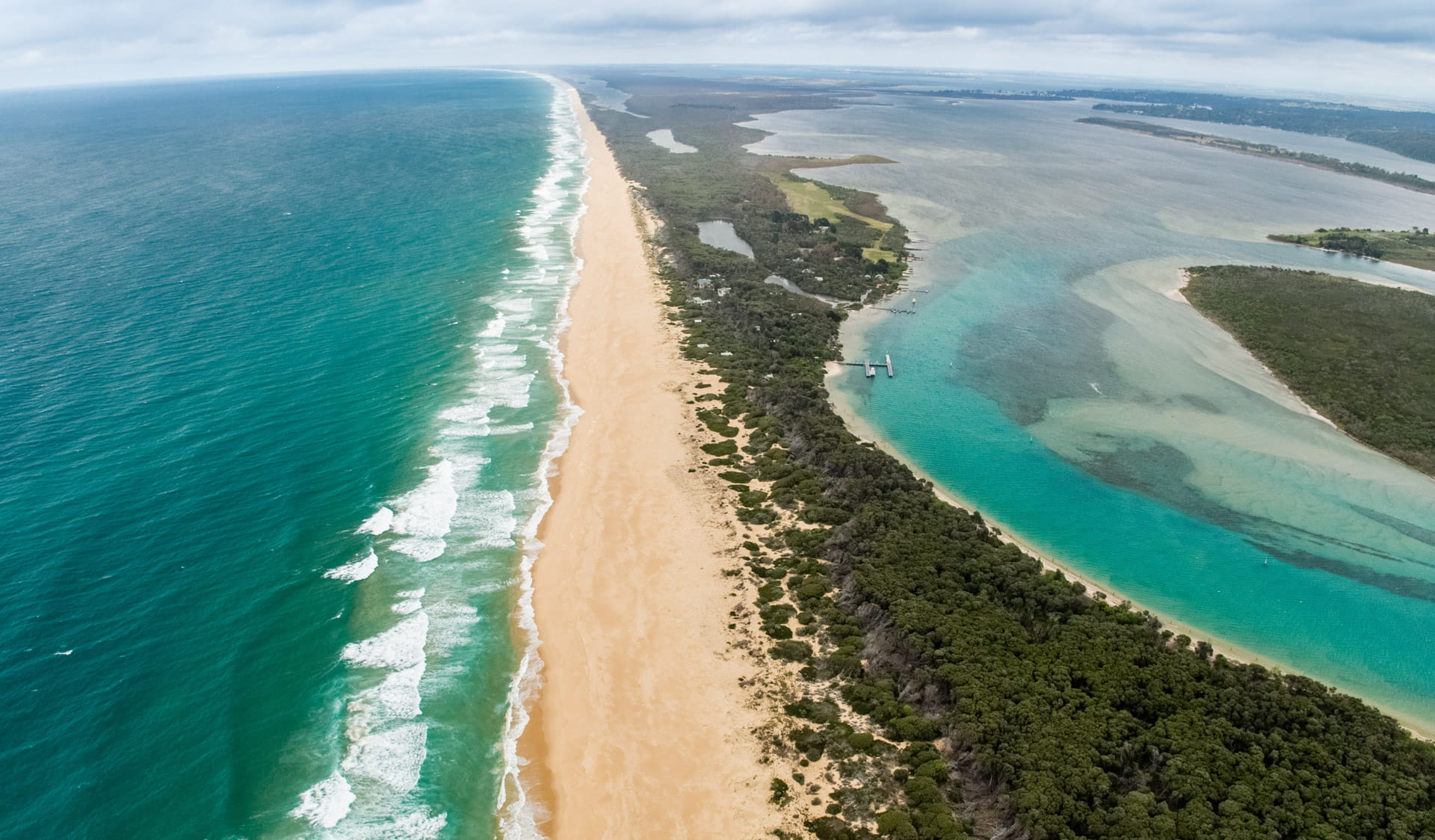
Ninety Mile Beach stretches over 150 km which makes it one of the longest uninterrupted beaches globally. It was once considered impassable and dangerous for ships and dozens of wrecks lie offshore.
Melbourne was once the richest city in the world
During the 1850s gold rush, Victoria produced over one-third of the world’s gold supply. At one point, Melbourne was considered one of the wealthiest cities globally per capita earning the nickname “Marvellous Melbourne.”
Much of its grand 19th-century architecture exists because of this boom.
Melbourne was almost named ‘Batmania’
The settlement that became Melbourne was briefly called “Batmania” after John Batman. Thankfully, the name didn’t stick though it’s one of the more amusing “almost” names in Australian history.
Melbourne was briefly Australia’s Capital
Before Canberra was built, Melbourne served as Australia’s federal capital from 1901 to 1927. The federal parliament met in Parliament House on Spring Street.
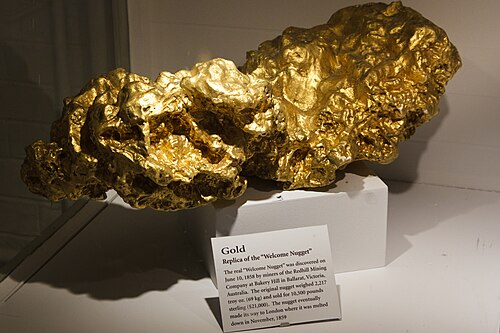
The world’s largest gold nugget was found in Victoria
In 1869, the “Welcome Stranger” nugget weighing over 70kg was discovered in Moliagul, Victoria. It remains the largest alluvial gold nugget ever found.
Victoria is a ‘Whale Nursery’
The waters near Warrnambool are an important calving ground for Southern Right Whales. Logans Beach offers one of the rare places globally where you can watch whales from land and extremely close to shore.
You can stand inside an extinct volcano
Tower Hill Wildlife Reserve near Warrnambool is actually inside a dormant volcanic crater. It erupted around 30,000 years ago. Today it’s home to emus, koalas, and kangaroos.
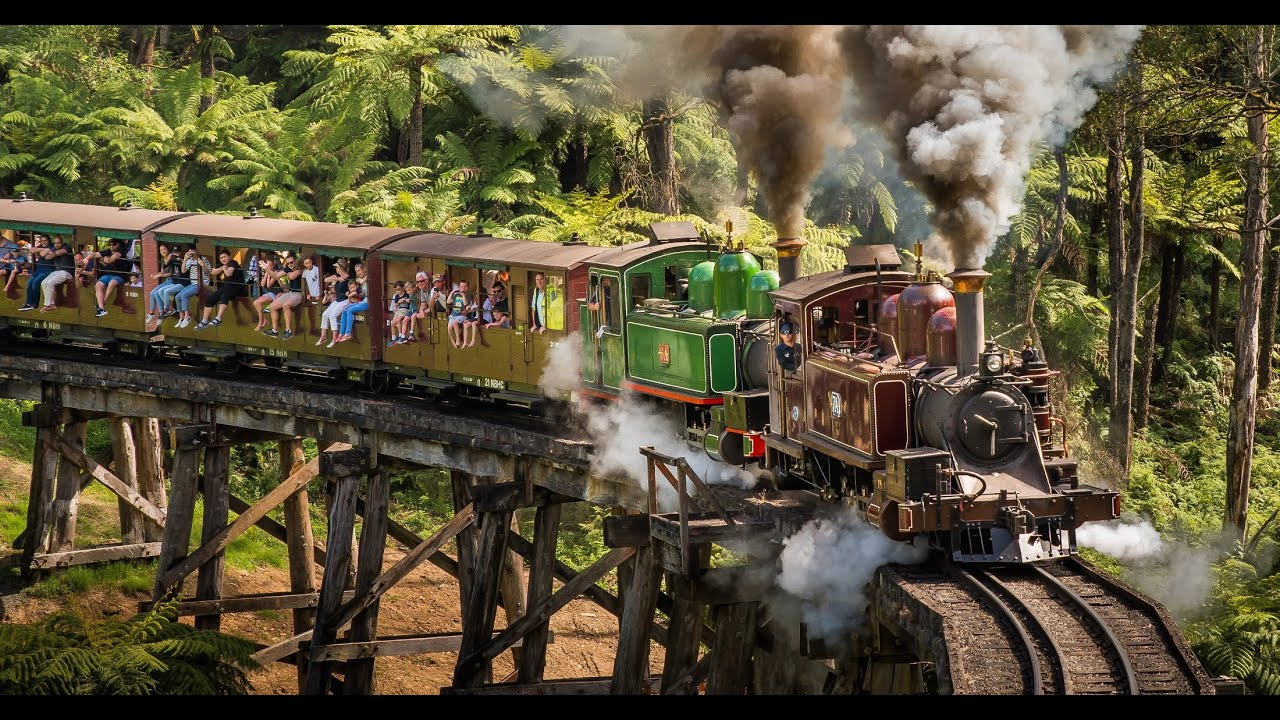
‘Puffing Billy’ is one of the world’s best-preserved steam railways
The heritage railway in the Dandenong Ranges allows passengers to sit on the carriage sills with legs hanging out which is a rare surviving rail tradition.
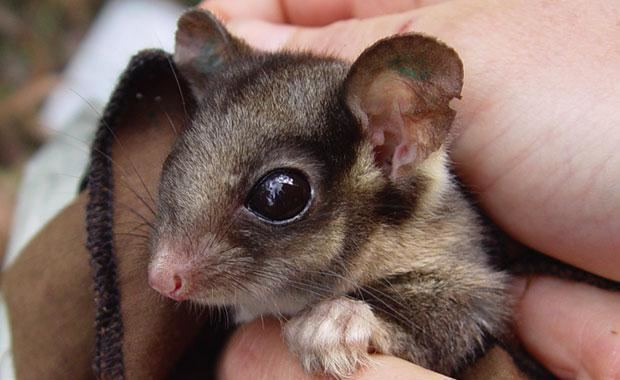
Victoria has its own endemic wildlife
The Leadbeater’s Possum which is also Victoria’s faunal emblem is found almost nowhere else on Earth. It was once thought extinct until rediscovered in 1961.
 Local Vic