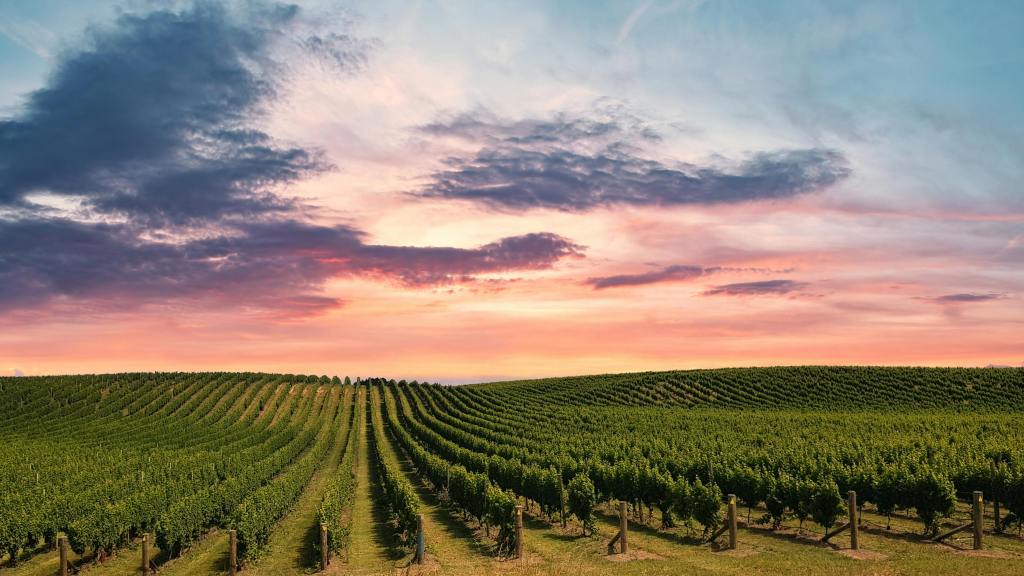
Victoria is, quietly and without nearly enough fanfare, one of the most diverse and exciting wine-producing states in the country. It covers more distinct wine styles than almost anywhere in Australia from delicate cool-climate Pinot Noir and Chardonnay to fortified wines that have no real equivalent anywhere on earth. And it’s been this way for longer than most people realise.
Let’s discover and learn about one of the world’s most diverse wine regions
A history that nearly didn’t survive
1850s–1870s
Victoria becomes Australia’s wine capital. Gold rush prosperity funds ambitious vineyards across the state, particularly in the north-east and Yarra Valley. Rutherglen’s fortified wine tradition begins.
In 1877 Phylloxera arrives in Victoria and gets detected first in the Yarra Valley. There is no cure apart from the laborious grafting of European vines onto resistant American rootstocks, which takes years and enormous cost.
1880s–1900s
The louse spreads through most of the state’s vineyards effecting Victoria’s wine industry for over two decades. South Australia, which enforces strict quarantine, is spared entirely and retains its pre-phylloxera old vines.
1960s–1970s
1980s–2000s
Gradual and cautious revival happens as small producers begin planting in the Yarra Valley and Mornington Peninsula (cool climate and proximity to Melbourne). James Halliday founds Coldstream Hills and the cool-climate movement begins.
International recognition grows and Victorian cool-climate wines begin winning awards and attracting comparisons to European classics. King Valley’s Italian varieties find their audience along with Heathcote emerging as a Shiraz source of world-class quality.
Present day
Victoria is widely considered Australia’s most diverse wine state. Natural wine, minimal-intervention styles, alternative varieties, and experimental winemaking have found a particularly enthusiastic audience here.
South Australia avoided phylloxera through strict quarantine and has remained phylloxera-free and that’s why the Barossa Valley still has pre-phylloxera old vines that are among the most valuable in the world. Victoria’s wine industry essentially had to start again. It did so slowly, seriously, and with a contrarian tendency to plant varieties and explore styles that the bigger, more commercially-minded regions weren’t chasing. That turned out to be a considerable advantage.
What grows where and why it matters
Victoria’s diversity comes from its geography. The state spans from cool maritime coastlines to hot inland plains to ancient volcanic ridges. This environment suits different grape varieties, and the best Victorian producers have spent decades working out what belongs where.
Climate: Maritime, wind-swept
Elevation: 50–220m
Best known for: Complex Pinot Noir
Wine style: Structured, savoury
Even cooler than the Yarra, and shaped by Port Phillip Bay on one side and Bass Strait on the other. The maritime influence moderates temperatures but the wind is constant — which stresses the vines in ways that concentrate flavour. The diurnal temperature variation here, with warm days dropping to genuinely cold nights, is among the most dramatic in Victoria, and it shows in the wines: freshness, tension, length on the palate.
The Pinot Noirs from Moorooduc, Stonier, Ten Minutes by Tractor, and Paringa Estate have attracted serious international attention — and legitimate comparisons with Burgundy, which is not a phrase used lightly in serious wine circles. What’s distinctive is structure: these wines have a firmness and savoury quality that makes them interesting with food and worth cellaring for five to ten years. The white wines, particularly Chardonnay and Pinot Gris, are also quietly excellent.
The Peninsula is also one of Victoria’s great food tourism destinations. Peninsula Hot Springs, coastal walking trails, beaches, and a concentration of exceptional restaurants make it easy to build a full weekend around cellar door visits.
The cellar doors here are mostly small and personal — you’re likely to pour wine with the winemaker or a family member. This makes it a particularly good region for asking questions. Nobody here is going to make you feel foolish for being new to wine.
Climate: Cool, wet & misty
Elevation: 50–400m
Best known for: Elegant Pinot Noir
Wine style: Delicate, aromatic
Rolling hills, frequent rain, and temperatures that struggle to ripen the heavy reds that dominate warmer regions. This makes the Yarra exceptional for Pinot Noir and Chardonnay, which need cool, slow ripening to develop real complexity — think red fruits, forest floor, silky texture rather than big jammy flavours. The valley is also a serious source of sparkling wine base: its natural high acidity makes for vivid, lively bubbles.
Notable producers include Yering Station (the valley’s oldest working winery, established 1838 — the same year Victoria became a colony), De Bortoli’s Yarra estate, Coldstream Hills (founded by Australia’s most respected wine critic, James Halliday), and Punt Road. The valley has attracted winemakers from across the country and from Burgundy — there’s a genuine obsession with Pinot Noir here that manifests in dozens of small-batch, single-vineyard wines worth seeking out.
The Yarra is also a genuinely beautiful place to spend a day. The Healesville Sanctuary, the Dandenong Ranges, and some of the best restaurant food in regional Victoria all sit within the valley.
New to Pinot Noir? Start here. The Yarra Valley style is one of Australia’s most approachable expressions — lighter in colour than most reds, with fresh raspberry and cherry rather than the heavy plum and chocolate you might associate with Australian red wine. Ask at the cellar door for something from their cooler Upper Yarra vineyards.
Climate: Hot, continental
Elevation: 150–200m
Best known for: Rutherglen Muscat
Wine style: Rich, complex, unique
A completely different world from the cool south. Hot, dry, deeply traditional — and the home of something that has no real equivalent anywhere on earth: Rutherglen Muscat. Made from the Muscat Blanc à Petits Grains grape, the wine is fortified early in fermentation to preserve sweetness, then aged through a solera-style system — where younger wine is gradually blended with progressively older vintages in a cascade of barrels, some containing wine that is over a century old.
The result is wines of extraordinary richness and complexity. Deep amber — almost mahogany — in colour. Intensely perfumed: raisins, dried fig, orange peel, roasted coffee, dark toffee. A texture that’s almost syrupy but never cloying. Somewhere between a wine and a meditation. Campbells, Chambers Rosewood, and Stanton & Killeen are the key names — families that have been making these wines for four and five generations using century-old solera systems that cannot be replicated from scratch.
There’s a formal classification system: Rutherglen Muscat → Classic → Grand → Rare. Each step up represents older blends, greater complexity, and rarer stock. A Rare Rutherglen Muscat is, without exaggeration, one of the great dessert wines of the world. It’s priced accordingly — but not extravagantly.
Rutherglen is also a town that looks much as it did in the 1890s, with a beautiful main street and cellar doors that have been operating continuously for over a century. Worth staying overnight.
Intimidated by dessert wine? Start with a small pour of Rutherglen Muscat alongside some blue cheese or dark chocolate. The sweetness is balanced by extraordinary complexity and a slightly spirit-like warmth. You’re not meant to drink a lot — treat it like a great whisky or a fine aged spirit. The experience is the point.
Climate: Warm, dry
Soil: Cambrian greenstone
Best known for: Structured Shiraz
Wine style: Deep, mineral, age-worthy
Heathcote sits on a long ridge of Cambrian greenstone — one of the oldest geological formations on the planet, over 500 million years old. It’s a deep red-purple rock that produces soils unlike anything else in Victoria, and those soils translate directly into the wine. Heathcote Shiraz has a depth and mineral structure that distinguishes it from warmer-climate examples — less jammy, more brooding, less obvious, more interesting. The wine has a backbone that demands food and rewards cellaring.
Warm days and cool nights are ideal for Shiraz here — enough heat to ripen fully, enough cold to retain freshness and structure. The result is wines that can age comfortably for fifteen to twenty years. Jasper Hill, Heathcote Winery, and Domaine Asmara are the names worth knowing. Jasper Hill’s Georgia’s Paddock Shiraz, made from dry-grown vines with no irrigation, is considered one of Australia’s great benchmark reds.
Shiraz (called Syrah in France and elsewhere) is Australia’s most planted red grape. The Heathcote style is a useful corrective to the assumption that all Australian Shiraz is big, sweet, and obvious. This is structured, earthy, and built for the table — closer in spirit to a great Northern Rhône than to a commercial Barossa blockbuster.
ClimateCool, alpine-influenced
Elevation150–860m
Best known forItalian varieties
Wine styleFresh, bright, food-friendly
The King Valley is one of the most distinctive wine stories in Australia — and one of the most human ones. Italian families, primarily the Dal Zottos and others who arrived as tobacco farmers in the mid-20th century, planted what they knew: Sangiovese, Nebbiolo, Barbera, Prosecco. The cool alpine-influenced climate suited these varieties beautifully, and the valley gradually became the de facto home of Italian-variety wine production in Australia.
The most notable outcome has been Prosecco. Dal Zotto is Australia’s leading Prosecco producer, using the Glera grape in conditions that rival northern Italy. There’s an ongoing international dispute about whether “Prosecco” can be used as a term outside Italy — the answer, at least currently in Australia, is yes, and the quality justifies the name. Brown Brothers is also a major presence, operating one of Australia’s most visitor-friendly cellar doors with a restaurant, garden, and exhaustive tasting room. The “Milawa Cheese” trail through the valley makes for an easy food-and-wine day.
The King Valley is the most food-friendly wine region in Victoria. Italian varieties were bred for the table — lighter reds with bright acidity, crisp whites, and Prosecco for the start of every meal. If you’re new to wine and like Italian food, this is the perfect introduction. It’s almost impossible to choose wrong here.
ClimateCool continental
Elevation230–450m
Best known forPowerful Shiraz
Wine styleFirm, spicy, long-lived
Yes — the Grampians is also a wine region, and a seriously underrated one. Sitting inside and around the national park in western Victoria, the elevation and continental climate produce some of Australia’s most structured Shiraz. Not just big — precise. The cool nights give the wines an elegant pepper-and-spice character that’s closer to the Northern Rhône Valley in France than to anything else in Australia. These are wines built for decades, not years.
Seppelt Great Western is a landmark producer — the winery has a labyrinthine network of underground cellars called “the drives,” dug by gold miners in the 1860s and now used to age sparkling wine in extraordinary conditions. The underground cellar tours are among the most memorable wine experiences in Victoria. Mount Langi Ghiran’s Shiraz is routinely mentioned among Australia’s very best. Best’s Wines, dating to 1866, is one of the oldest continuously operating wineries in the country.
If you’re visiting the Grampians National Park for the hiking, Halls Gap, and the wildlife — add a cellar door visit to Seppelt Great Western. The combination of dramatic landscape and exceptional wine is hard to beat, and the underground tours run most days. Allow half a day.
A beginner’s tasting sequence
Cellar door visits can feel intimidating if you don’t know the vocabulary. The people pouring the wine understand this. They’ve spent their careers making something they love and they want you to love it too. Here’s a simple framework that works anywhere.
If you’re new to wine, Victoria is actually one of the best places to start exploring; not because it’s simple, but because it’s so varied. You can find wines that are light and refreshing, rich and complex, sweet and meditative, or bone dry and earthy. There’s no single Victorian style. That’s the whole point.
Cool-climate: Grapes grown in cooler regions ripen more slowly, producing wines with higher acidity, more delicate flavours, and less alcohol. Think elegance over power. Victoria’s southern regions are among Australia’s coolest wine areas.
Terroir: A French word (Victorians use it freely) meaning the whole natural environment of a vineyard — soil, climate, slope, aspect. It’s why the same grape variety can taste completely different from two different hillsides three kilometres apart.
Cellar door: The winery’s on-site tasting room. You drive up, taste wines directly with the producer, buy what you love, eat lunch, repeat. It’s the best and most direct way to buy wine in Victoria — and often the most enjoyable.
Fortified wine: Wine with added grape spirit (brandy), which stops fermentation and leaves residual sweetness. Rutherglen Muscat is the great Victorian example — something closer to a meditation than a casual glass.
Old vines: Older vines produce fewer grapes but with more concentrated, complex flavours. No official definition — some say 25 years, some say 100. Rutherglen’s oldest solera systems date back over a century.
Diurnal variation: The difference between daytime high and nighttime low temperatures. Warm days ripen sugars while cool nights preserve acidity and freshness. The Mornington Peninsula has some of Australia’s highest diurnal variation.
Pinot Noir – Light red. Raspberry, cherry, forest floor. The great grape of Burgundy — and Victoria’s Yarra and Mornington.
Chardonnay – Full white. Peach, citrus, sometimes oak and cream. Hugely varied — cool-climate versions are especially elegant.
Shiraz / Syrah – Deep red. Plum, pepper, spice. Victoria’s cool-climate examples are subtler and more structured than warmer regions.
Muscat – Fortified dessert wine. Raisin, toffee, dried orange. Rutherglen’s gift to the world — drink in small pours.
Sangiovese – Medium red. Sour cherry, dried herbs, firm acidity. Italy’s great everyday grape, thriving in King Valley.
Prosecco – Sparkling white. Apple, pear, soft bubbles. King Valley does this exceptionally well — and it’s great value.
- Look. Tilt the glass against a white background. What colour is it? How dark? A pale ruby versus a deep purple tells you something about the grape variety and the age of the wine before you’ve smelled anything. White wines range from almost clear to deep gold.
- Smell before you swirl. Take a quick sniff of the wine at rest. Then swirl gently to release aromatic compounds, and smell again. The difference can be dramatic. Don’t try to name every note — just ask yourself: does it smell fruity, earthy, floral, or spicy?
- Taste, and think about structure. Forget the fruit flavours for a moment. Is the wine high or low in acidity? (Does your mouth water? That’s high acidity — a good thing in wine.) Is it tannic? (Does it make your gums feel slightly dry and grippy? That’s tannin — from grape skins, and it’s what lets red wine age.)
- Note the finish. How long does the flavour linger after you swallow? A wine with a long finish — 30, 45, 60 seconds of continuing flavour — is a strong indicator of quality. A wine that disappears instantly is generally not complex. Good Victorian wines often have a long, interesting finish.
- Ask what to eat with it. The most useful question at any cellar door is: “What food would you pair this with?” The answer tells you more about the wine’s character than any tasting note. Winemakers love this question — it gets them talking about how they actually drink their own wine.
Where Victorian wine is heading
Victoria’s wine scene is in an interesting moment. The generation that built the cool-climate reputation in the 1980s and 90s is handing the baton to a younger cohort that is experimentally inclined, internationally informed, and not particularly interested in making wine that looks like what came before. Several trends are shaping the next decade.
Natural and minimal-intervention wine has found a particularly enthusiastic home in Victoria — especially in the Yarra Valley and inner-Melbourne wine bars that serve as its showcase. This means less use of additives like sulphites, more reliance on wild yeasts rather than commercial strains, and wines that are sometimes cloudier, stranger, and more alive than conventional production allows.
Producers like Mac Forbes, Ministry of Clouds, and Patrick Sullivan have attracted followings well beyond Australia. For beginners: approach these wines with an open mind. They often smell and taste differently from conventional wines. They are more funky, more textured, occasionally with a slight fizz and that’s usually the point.
New varieties for a warming climate are being planted keeping in mind the increasing climate change is pushing vintages earlier and forcing producers to reconsider which grapes belong where.
Heat-tolerant Mediterranean and Spanish varieties such as Tempranillo, Monastrell, Vermentino, Fiano, and Greco are appearing across Victoria in regions that would have defaulted to Shiraz or Chardonnay a decade ago. The Alpine Valleys and Heathcote are seeing particularly adventurous plantings. This is science disguised as farming.
Skin-contact whites (sometimes called “orange wine,” though the colour ranges from pale gold to deep amber) have moved from fringe curiosity to cellar door staple at many Victorian producers. These are white wines made with extended skin contact. Its the same process used for red wine which produces the tannin, texture, and a completely different flavour profile from conventional whites. Theses pair unusually well with food. The texture can initially be surprising if you’re used to crisp, clear whites but a must try.
The Macedon Ranges are a cool, elevated region between Melbourne and Bendigo and are attracting serious attention as a source of Chardonnay and sparkling wine base of exceptional quality.
Curly Flat, Bindi, and Virgin Hills have been making the case quietly for years. Younger producers are now recognising the region’s potential, and Macedon Chardonnay is beginning to turn heads internationally. Expect this to become a more prominent name over the next ten years.
Rutherglen’s challenge is finding a new audience for its extraordinary fortified wines. Dessert wines fell out of fashion globally through the 1990s and early 2000s, and the category has struggled commercially. The region’s producers are experimenting with smaller pours, cocktail applications (Muscat and tonic is a surprisingly compelling drink), and food pairing events to introduce Muscat to younger drinkers who might otherwise walk past it entirely. The wine deserves a revival. It is genuinely unlike anything else in the world, and the families making it have been doing so for five generations.
Beechworth, in Victoria’s high country, is steadily building a reputation as one of the state’s most exciting small regions. Chardonnay and Shiraz of real distinction, with Giaconda’s Chardonnay now among Australia’s most sought-after wines. The region remains relatively undiscovered for the cellar door visitor, which is precisely its appeal. Drive up through the alpine foothills, take your time, and find wine that Melbourne restaurants put on their lists at serious prices.
The people making wine here are, disproportionately, people who came to wine deliberately. Who read Jancis Robinson and Kermit Lynch. Who went to Burgundy and Barolo and came back convinced that Victoria could do something comparable, and then spent twenty years proving it.
The result is a wine scene that is constantly pushing and experimenting with varieties and styles that the market hasn’t asked for yet, planting in places that conventional wisdom would have rejected, making wines that are sometimes challenging and always interesting.
For someone new to wine you’re arriving at a moment of genuine discovery where the producers are still working things out, where the conversations at cellar doors are live ones, and where the glass you’re handed might be unlike anything you’ve had before.

