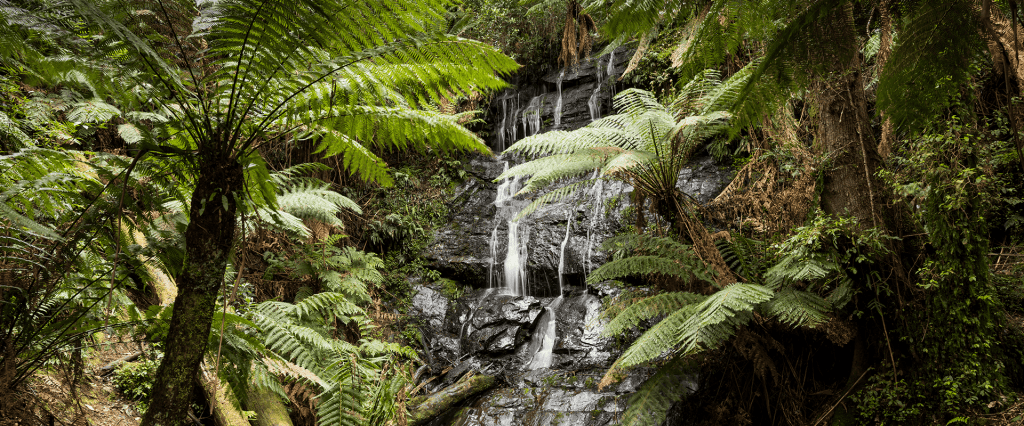
From Victoria’s highest single-span waterfall to secluded forest cascades, South Gippsland has some wonderful surprises waiting beyond its rolling green hills. Pack your walking shoes, charge your camera and discover three beautiful waterfall destinations for your next Victorian adventure.
As a family, we love finding a waterfall tucked away in the middle of a forest. The sound of flowing water, the cool air beneath towering trees and the sight of water tumbling over ancient rock formations make the journey worthwhile.
South Gippsland has plenty of these little natural treasures. While many travellers head straight to the beaches, coastal towns and well-known attractions, the inland countryside offers a different kind of escape.
In recent months we we have been travelling towards the Strzelecki Ranges and the surrounding South Gippsland countryside and visited three waterfalls worth adding to your travel list.
Our stops include Agnes Falls, Turtons Creek Falls and Hiawatha Falls. Each has a different personality, and each offers something a little different for nature lovers and families.
Agnes Falls Scenic Reserve: Victoria’s highest single-span waterfall
Location: Agnes Falls Scenic Reserve, near Toora and Welshpool
Highlights: Hidden within the rolling green hills of the Strzelecki Ranges, this is Victoria’s highest single-span waterfall at about 59 m. The Agnes River cascades over rocks into a deep, picturesque gorge surrounded by old forest and rich birdlife.
Access & Track: Very easy with 200 m short walk from the carpark to a dedicated viewing platform.
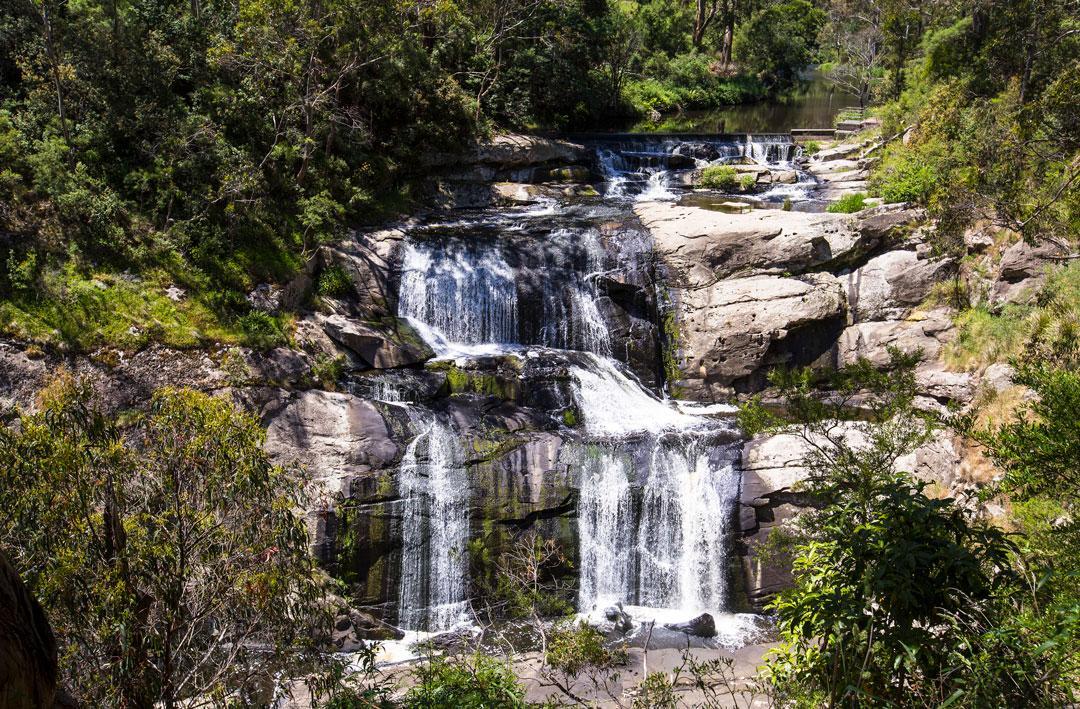
Agnes Falls is surrounded by a small but important remnant of the original Strzelecki forest.
Much of the Strzelecki Ranges was cleared during European settlement for agriculture and timber production. The remaining pockets of native forest are therefore particularly valuable for conservation.
Turtons Creek Falls
Location: Turtons Creek, north of Foster
Highlights: A pair of waterfalls on Turtons Creek nestled deep in lush wet forests. The main Turtons Creek Falls drops 6 m with a pretty staircase of rock flows; about 200 m upstream is a smaller cascade of 3 m that’s equally scenic.
Access & Track: You can drive to within short walking distance of the falls. A 1.8 km well-defined gravel return track leads to the main falls; an alternate 3 km trail includes Turtons Creek Little Falls.
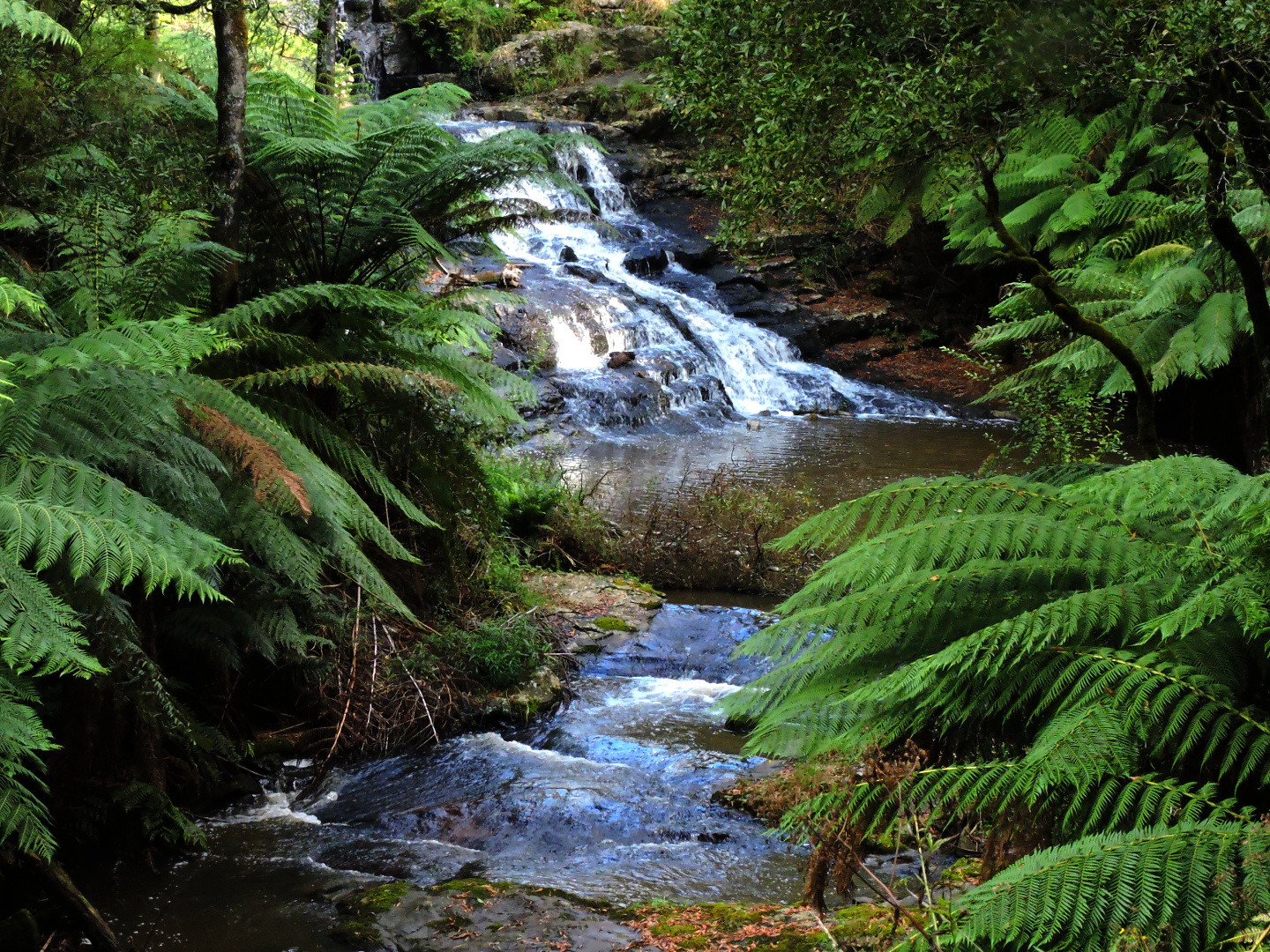
The Turtons Creek district has a connection with the early gold-mining history of South Gippsland.
Gold discoveries brought prospectors into the district during the nineteenth century, and the creek and surrounding hills formed part of the wider story of mining and settlement in the region.
Tip: The dirt road from Foster can be slippery after rain and less reliable on GPS
Hiawatha Falls: A quieter waterfall near Yarram
Location: Albert River, near Hiawatha, north-west of Yarram
Also referred to locally as Minnehaha Falls, this waterfall is located on the Albert River, surrounded by native bushland. The waterfall drops approximately five metres over a rocky ledge into a natural pool below. It may not be as tall as Agnes Falls, but the surrounding forest and river setting give it a relaxed, secluded atmosphere.
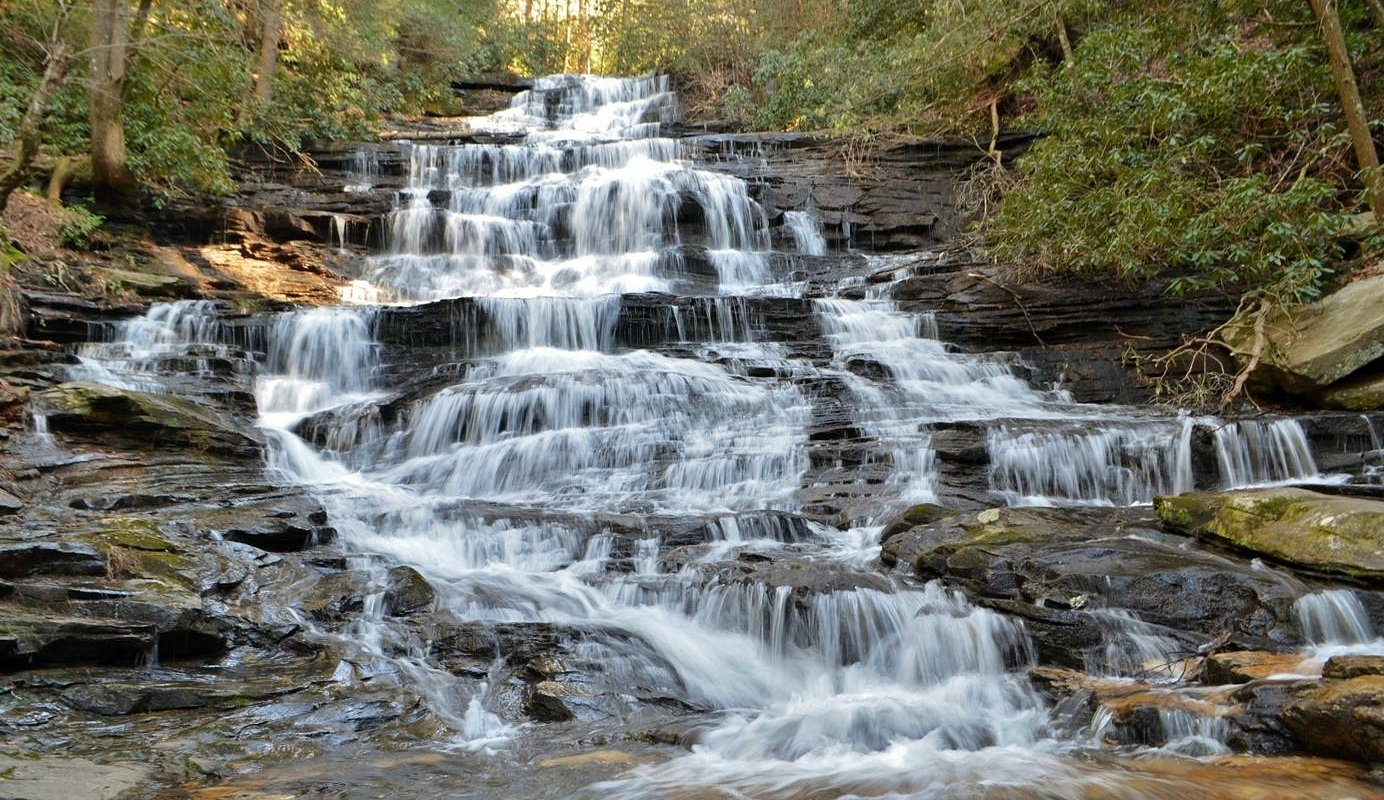
There is a camping area nearby, which can make it a worthwhile stop for those planning a longer Gippsland getaway.
Beyond the waterfalls: More places to explore
A waterfall outing doesn’t have to end when you leave the forest. South Gippsland has some lovely towns, gardens and scenic drives that make excellent additions to your itinerary.
Toora and Welshpool
These neighbouring country communities offer a relaxed introduction to South Gippsland.
Toora is particularly well known for its coastal views and access to the Corner Inlet region. If you enjoy photography, the surrounding countryside and coastal scenery provide plenty of opportunities. Experience the tall windmills at toora-a-hidden-gem-waiting-to-be-explored.
Welshpool is another small rural town worth exploring as you travel through the area. Read more to discover-port-welshpool-a-hidden-gem-in-south-gippsland
Foster
Foster is a convenient stop when exploring Turtons Creek and the surrounding region.
Grab a coffee, browse the local shops or enjoy a leisurely lunch before continuing your adventure.
The town also provides access to the beautiful Prom Country countryside.
Yarram
Yarram is a lovely country town with a surprising artistic side.
Its impressive street-art murals add colour to the town centre, while the historic buildings and local businesses provide plenty of reasons to stop.
It is a particularly good addition if you are visiting Hiawatha Falls.
Tarra-Bulga National Park
Access: The Tarra Valley Rainforest Walk is approximately 1.4 km return and takes around 40 minutes. It leads directly to Cyathea Falls.
The Tarra-Bulga National Park is one of Victoria’s beautiful rainforest environments, with towering tree ferns, moss-covered forest floors and magnificent old trees. Start your visit at the Balook Visitor Centre. It’s a useful place to get your bearings, check walking track information and enjoy the picnic facilities.
The Corrigan’s Suspension Bridge is a highlight, offering visitors a wonderful view into the rainforest canopy. The original bridge dates to 1938, while the current bridge was constructed in 1982.
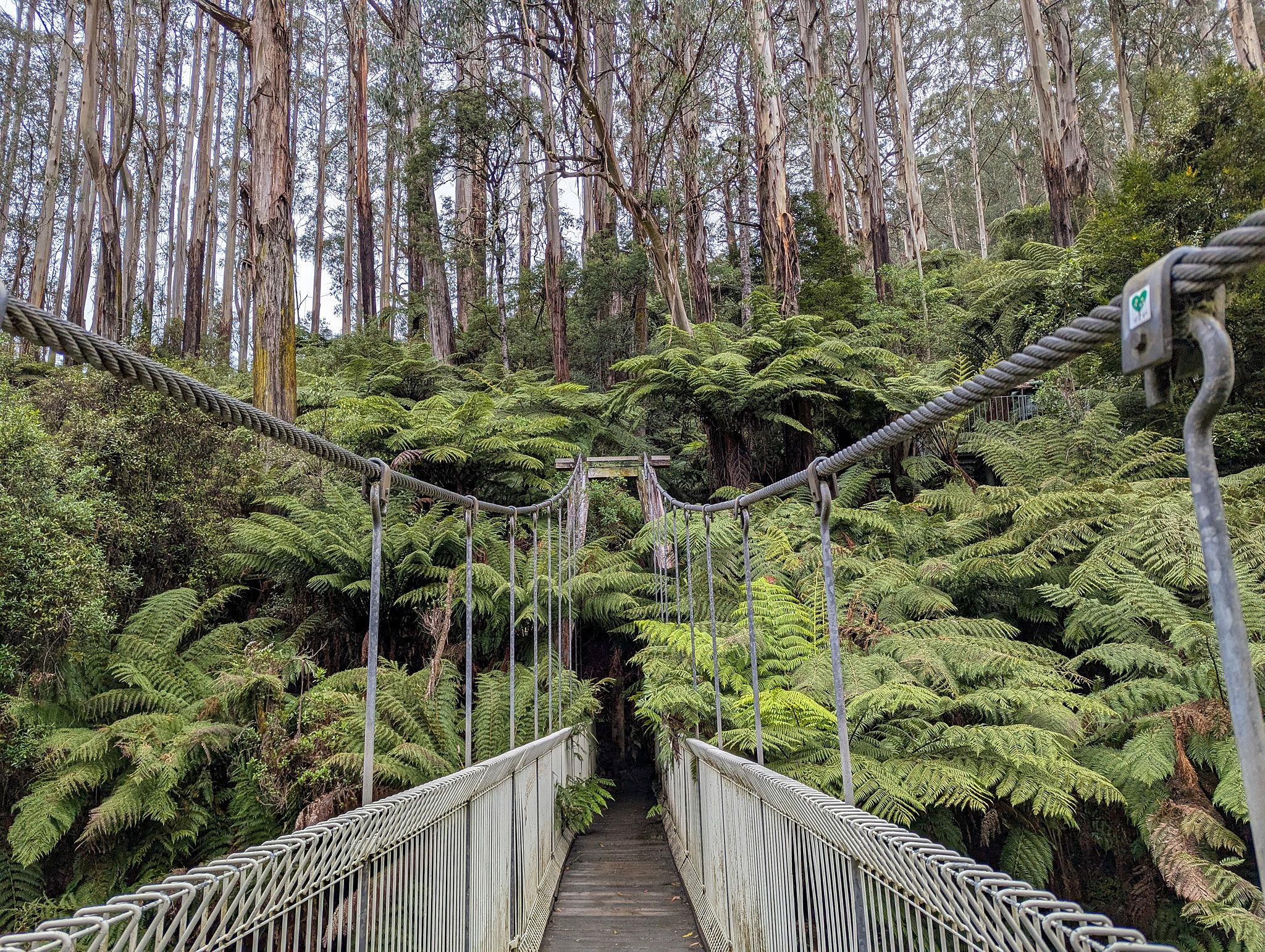
The Cyathea Falls walk is another worthwhile experience. The walk itself is part of the attraction. You pass towering tree ferns, moss-covered logs, trickling streams and ancient Myrtle Beech trees that create a sheltered canopy overhead.
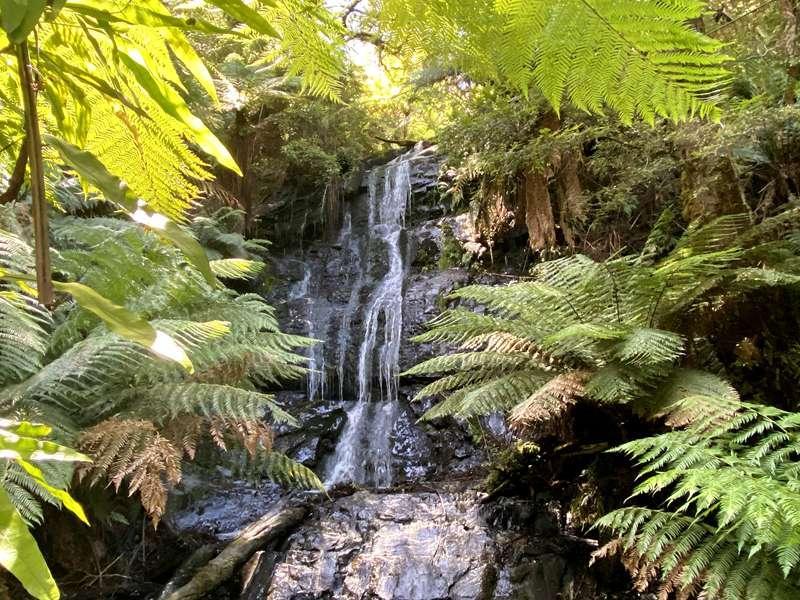
It’s a series of gentle cascades and falls along the Morwell River, often with shallow swimming holes and quiet forest scenery framed by ferns, mountain ash and eucalypt forest. The track is not heavily signposted so it’s worth asking locals for directions or following the more detailed driving notes out of Mirboo North / Boolarra South before you go. Multiple drops can be seen as the river tumbles over rock, offering vantage points for photography.
Access & Track: Short but steep walking track (Grade 3) from the picnic area leads down to the falls.
Tarra-Bulga is a wonderful place for birdwatching, and the Lyrebird Ridge Track gives you another opportunity to experience the forest.
The track is approximately 2.4 kilometres return and takes around 45 minutes.
It passes through regenerating and mature Mountain Ash forest. Take your time, pause on one of the seats and listen to the sounds around you.
The park is particularly well known for its lyrebirds, famous for their extraordinary ability to imitate sounds. You may hear one before you see it.
Port Albert
If you have extra time, consider heading towards Port Albert, one of Victoria’s historic coastal settlements.
Known for its maritime heritage and fishing history, Port Albert offers a very different experience from the rainforest.
Enjoy the coastal atmosphere, explore the waterfront and take a break by the water.
It makes a lovely contrast to the cool, green forest landscapes of Tarra-Bulga.
Safety & Respect
- Many local or unmarked tracks aren’t maintained so take good footwear, navigation (offline maps/GPS), and water.
- Many of the smaller cascades only flow noticeably after good rainfall and are otherwise just small trickles.
- Respect private property. Some creek accesses go through or near farmland. Always ask permission if in doubt.
- Some sites can be slippery after rain so take precaution near edges and rocks.
When is the best time to visit?
Winter and spring are generally good seasons for waterfall exploration, particularly following rainfall.
Autumn is also beautiful, with cooler walking conditions and lovely countryside colours.
During summer, the forest provides welcome shade, although some waterfalls may have reduced water flow.
So next time you’re looking for a different kind of Victorian getaway, follow the winding roads into South Gippsland.
You might just discover a waterfall worth remembering.


